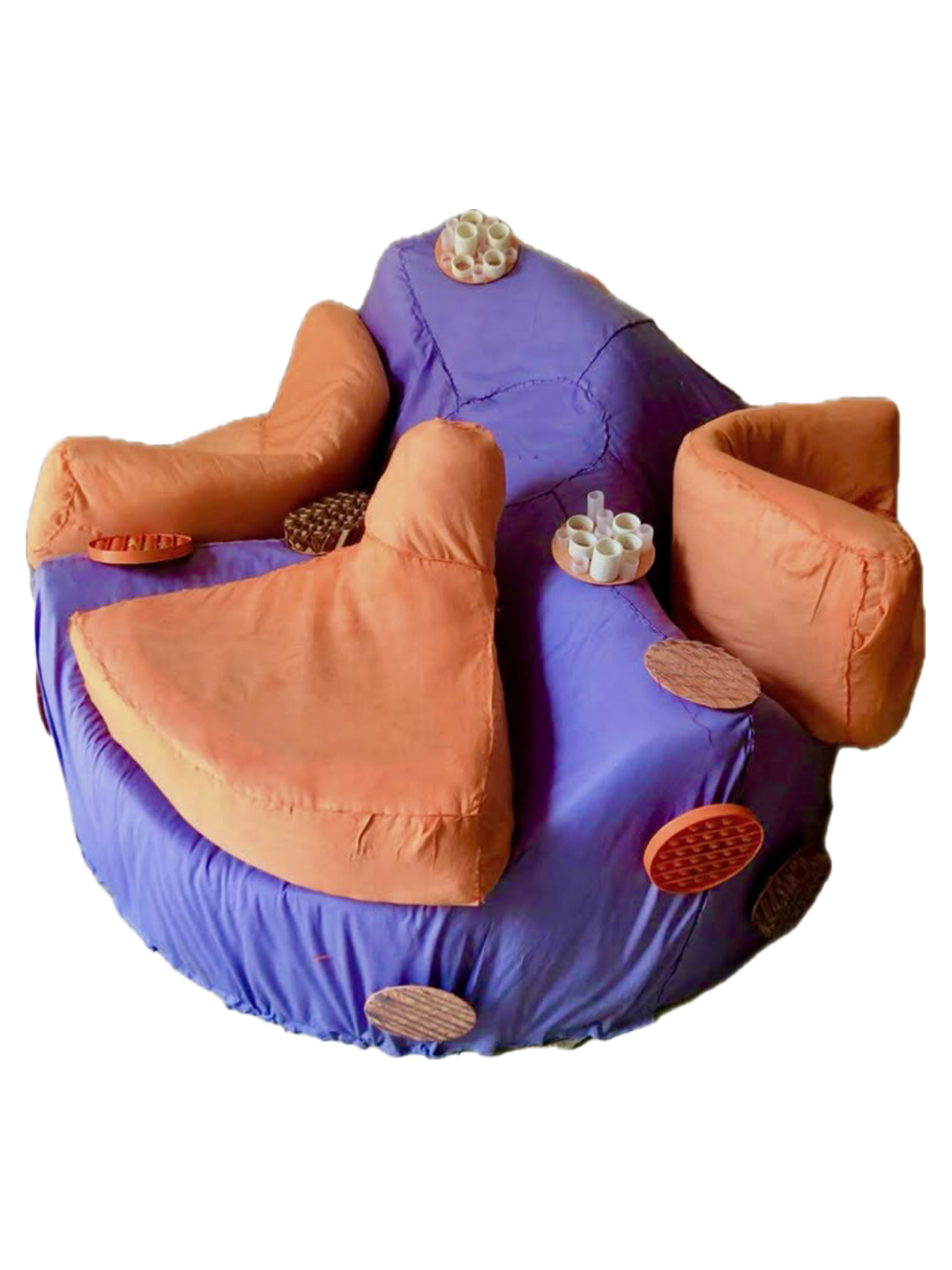
Design attractive, interactive seating for 3–5 year-olds that introduces proper posture and rebuilds social skills in post-COVID daycare. Two years of isolation left a cohort that had barely sat with other children, in rooms furnished either for adults or with a plastic stool.
Globy answers both at once: seats dimensioned from child anthropometrics so feet land flat and backs stay supported, arranged facing inward on one shared base so sitting down is already a social act.
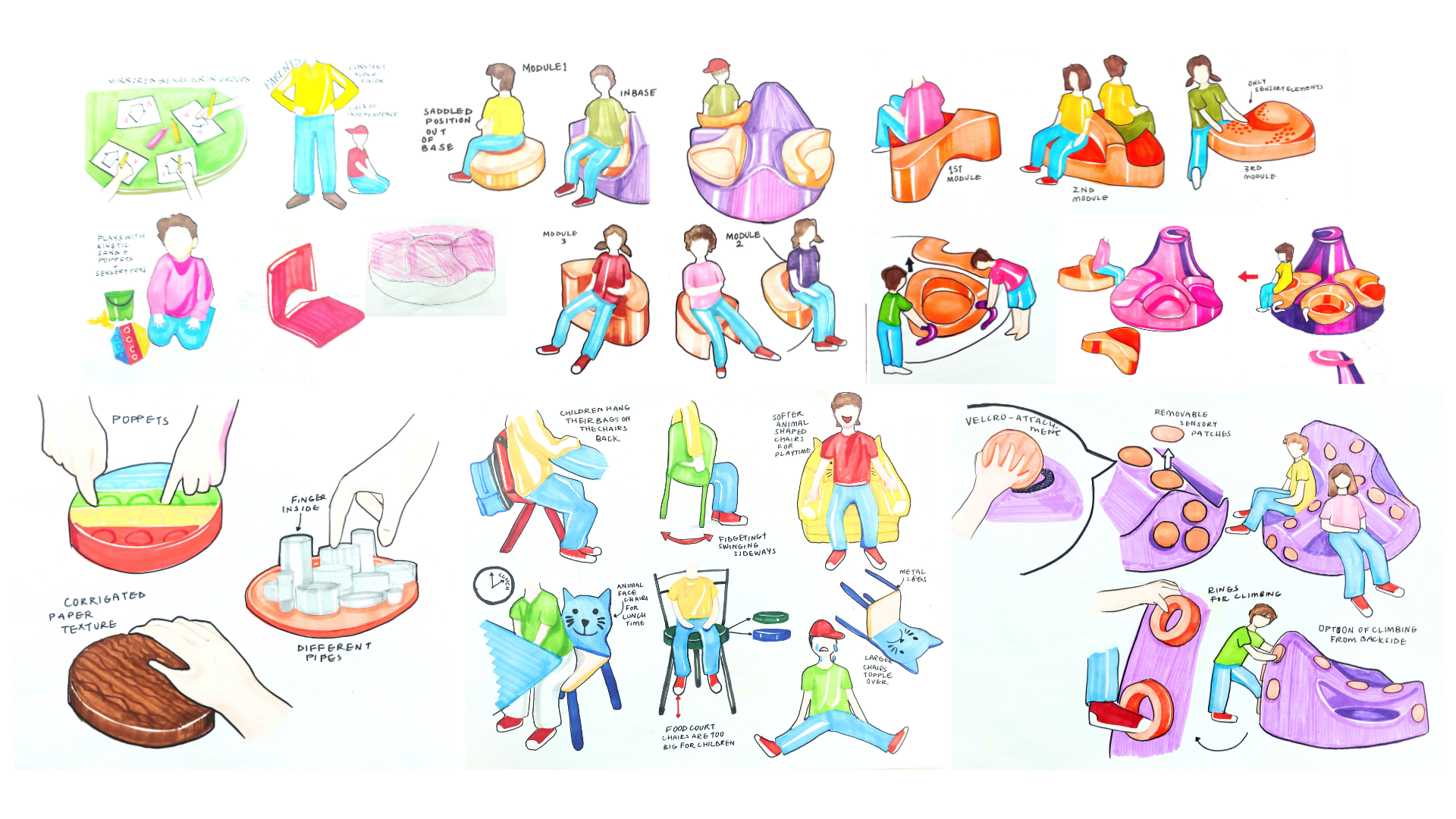
Nobody tells a three-year-old to sit up straight twice. Every posture rule became a measurement, taken from 3–5 year-old anthropometric data, then checked on foam mock-ups.
The base is the footrest, one raised platform gives every child a floor at the right height.
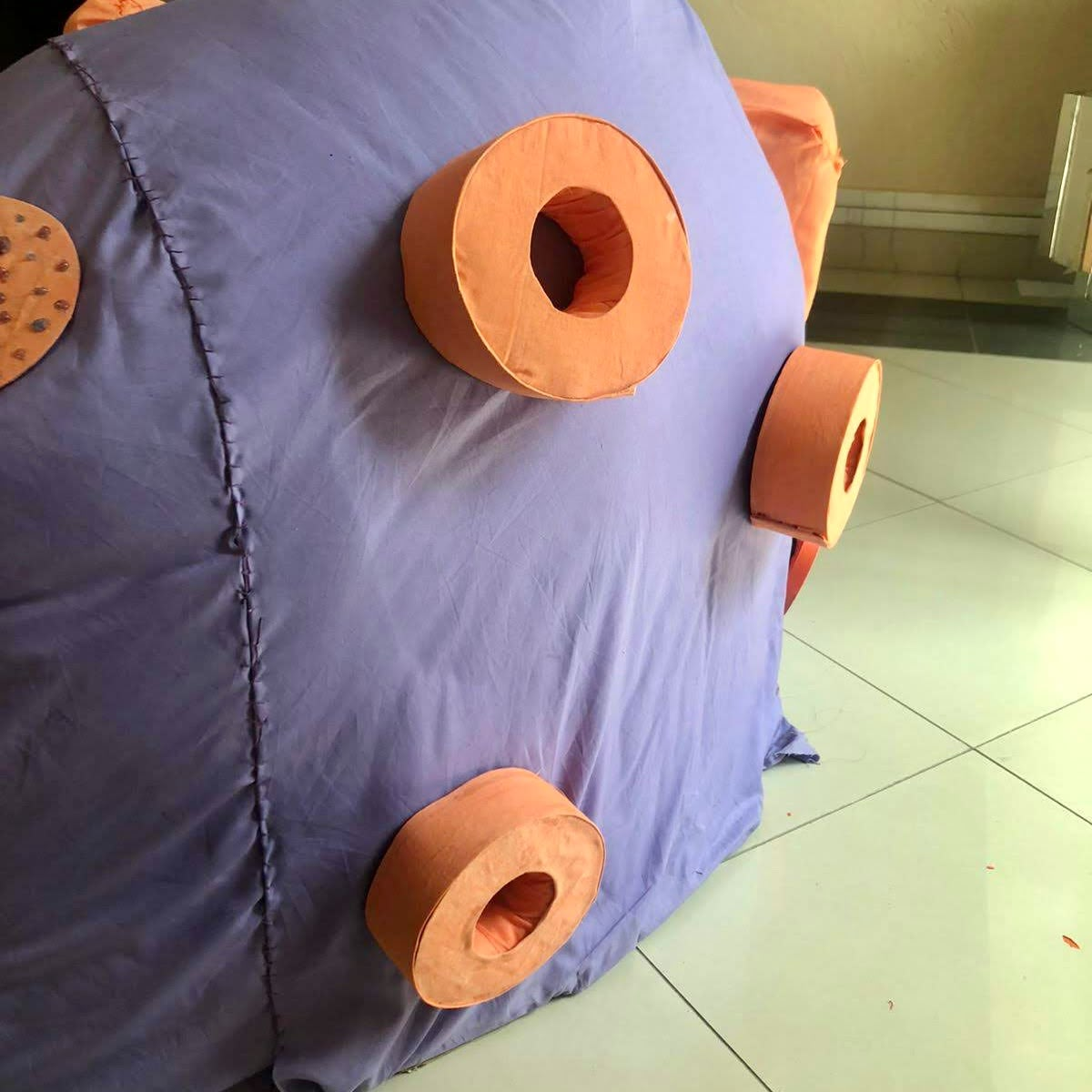
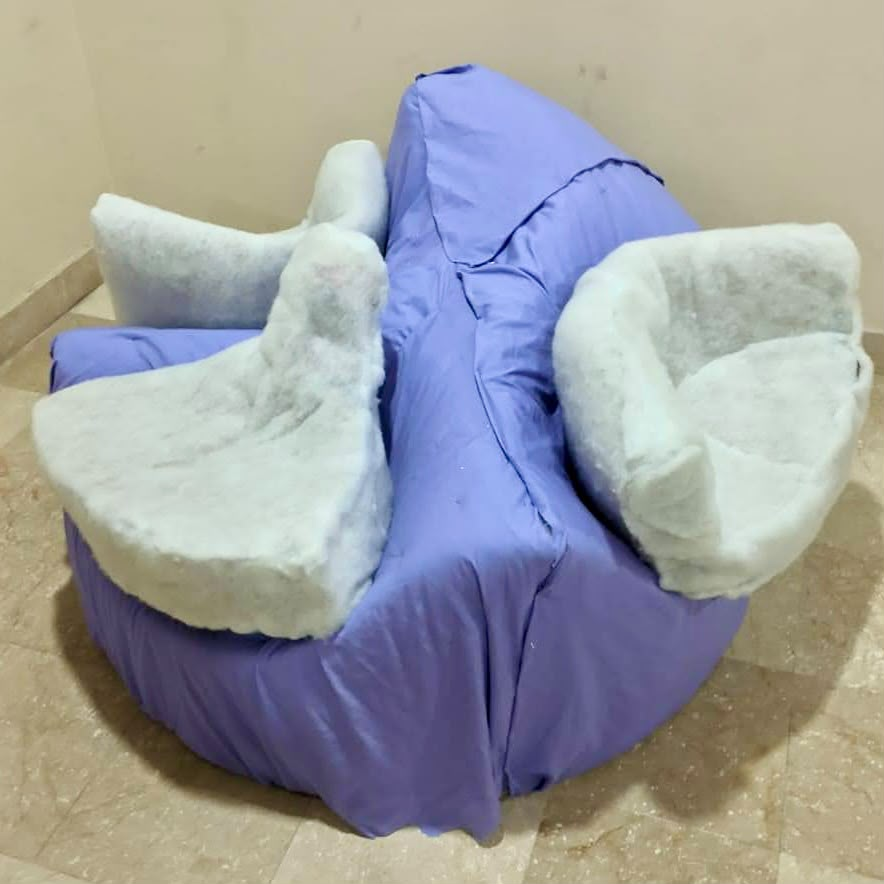
Each seat is a foam module shaped for a different stage, an enclosed tub for the youngest, an open wedge, a raised perch for the oldest. They face inward, so sitting down puts a child in front of another child.
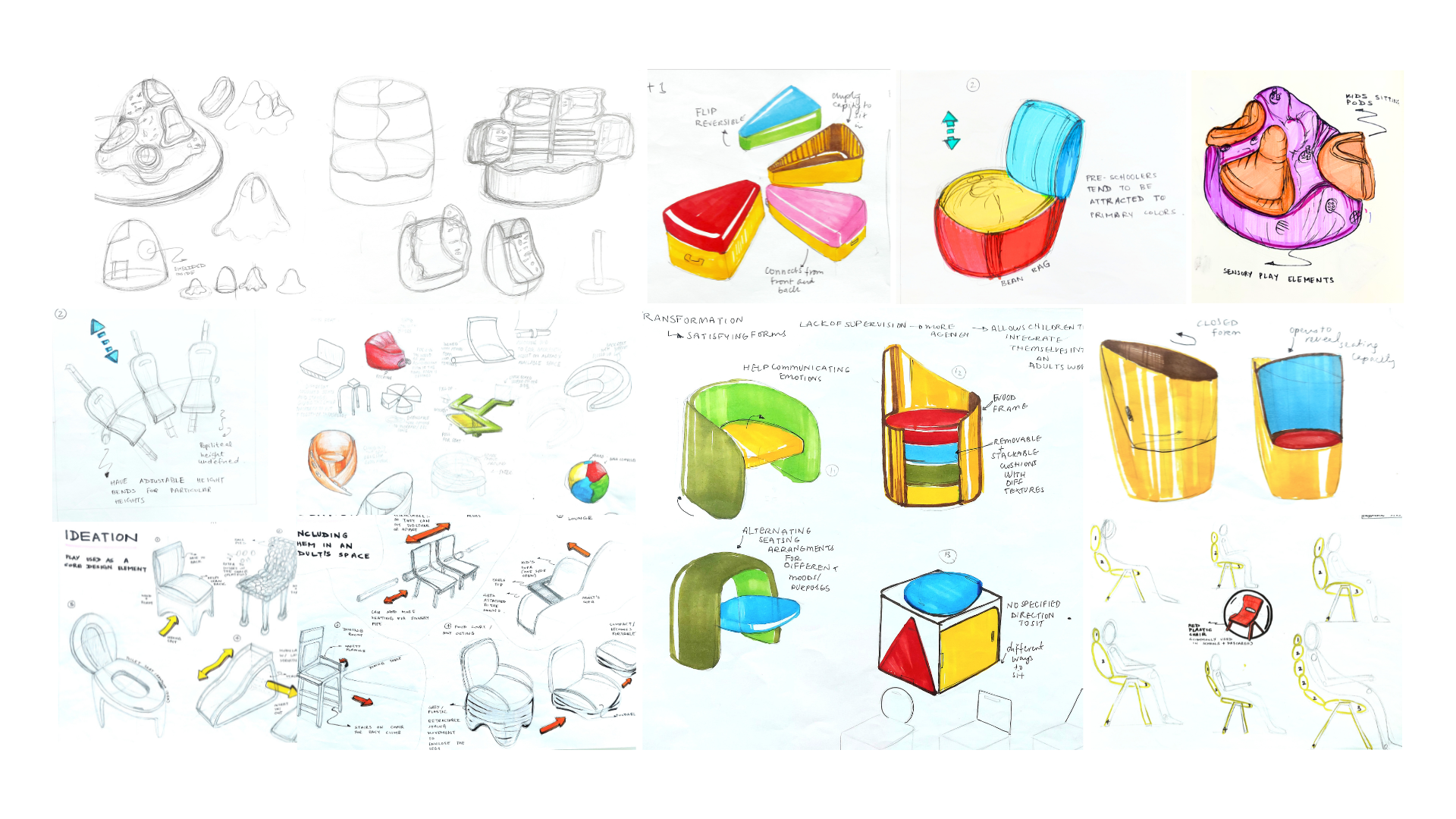
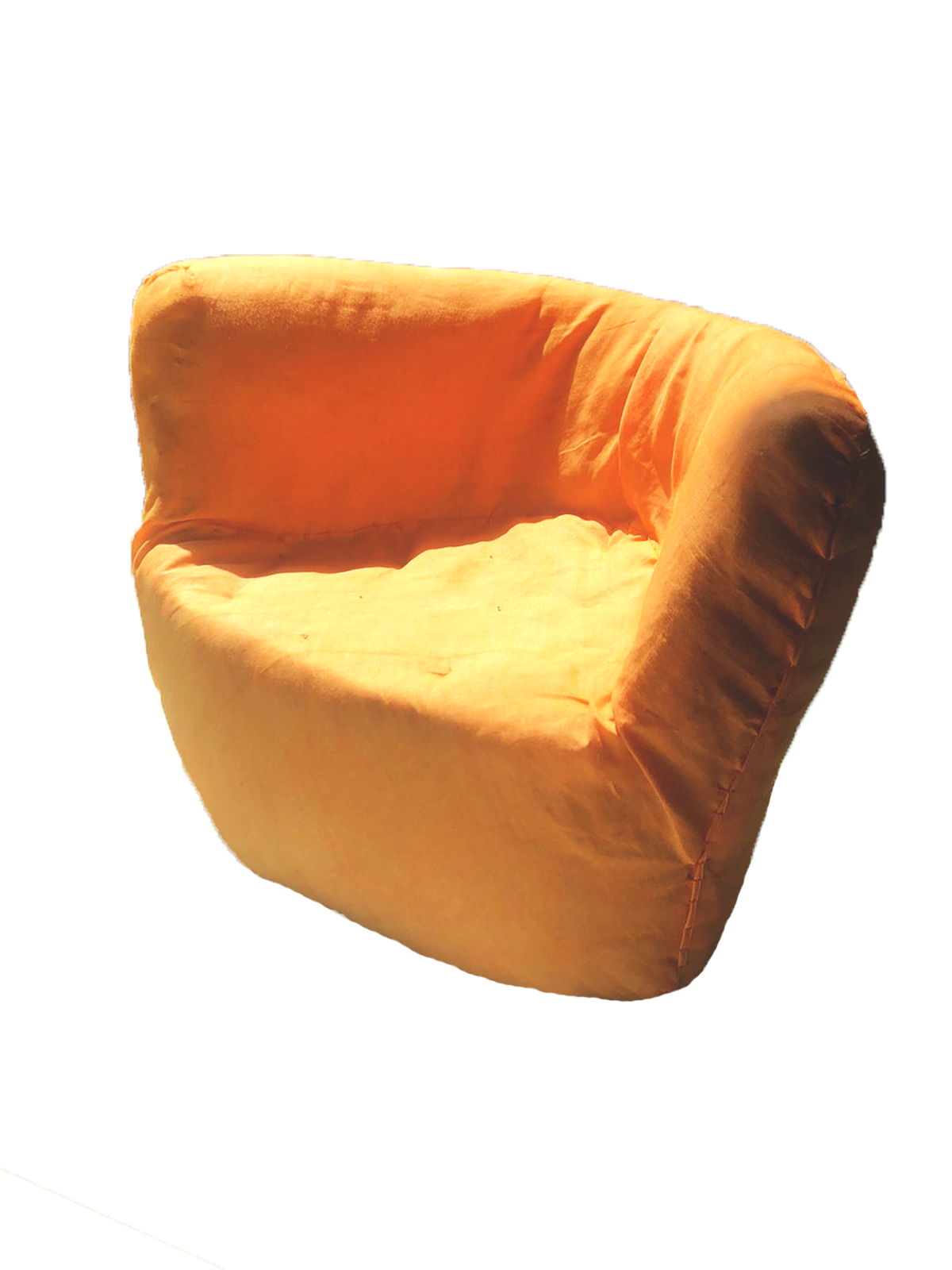
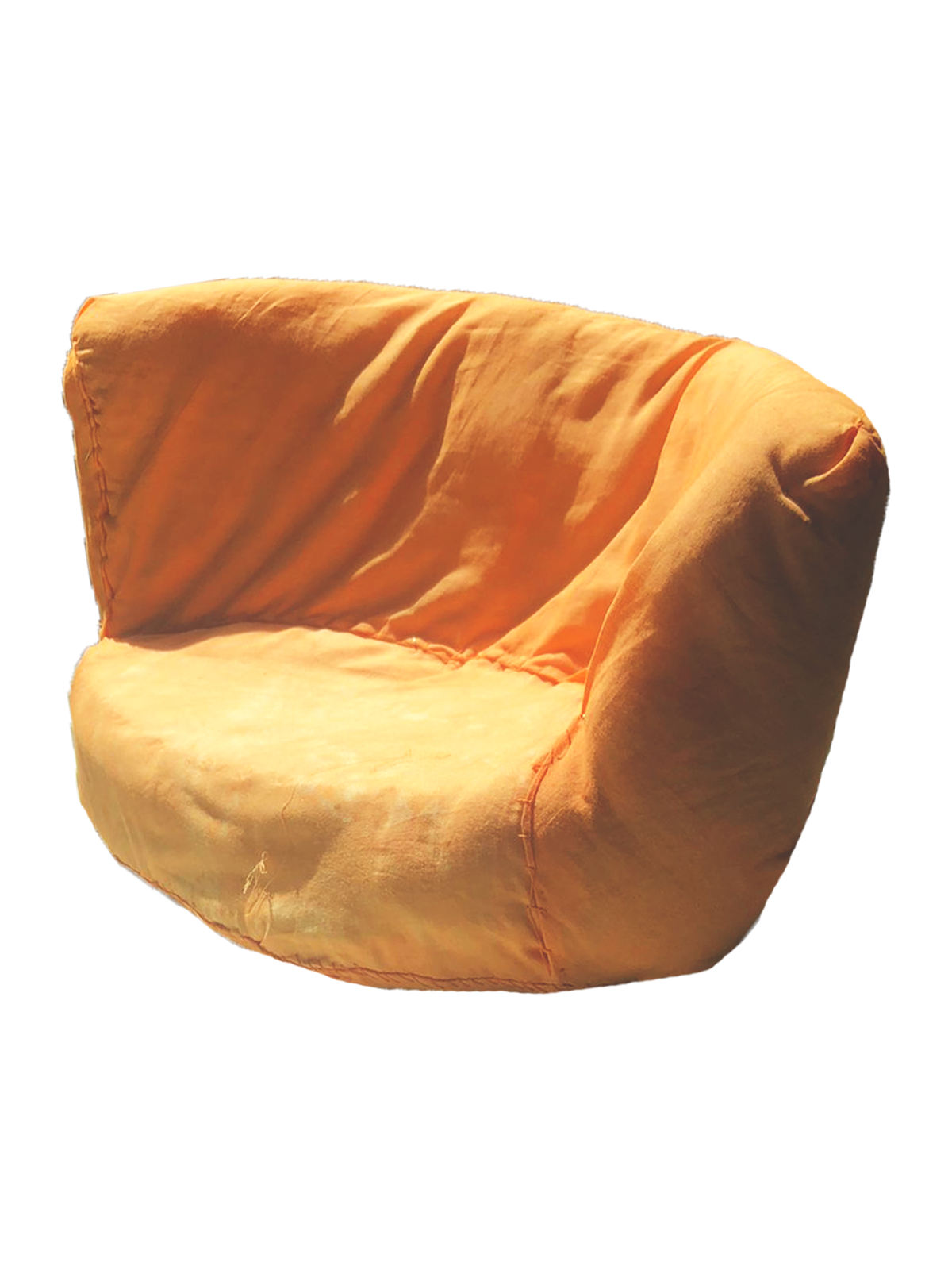
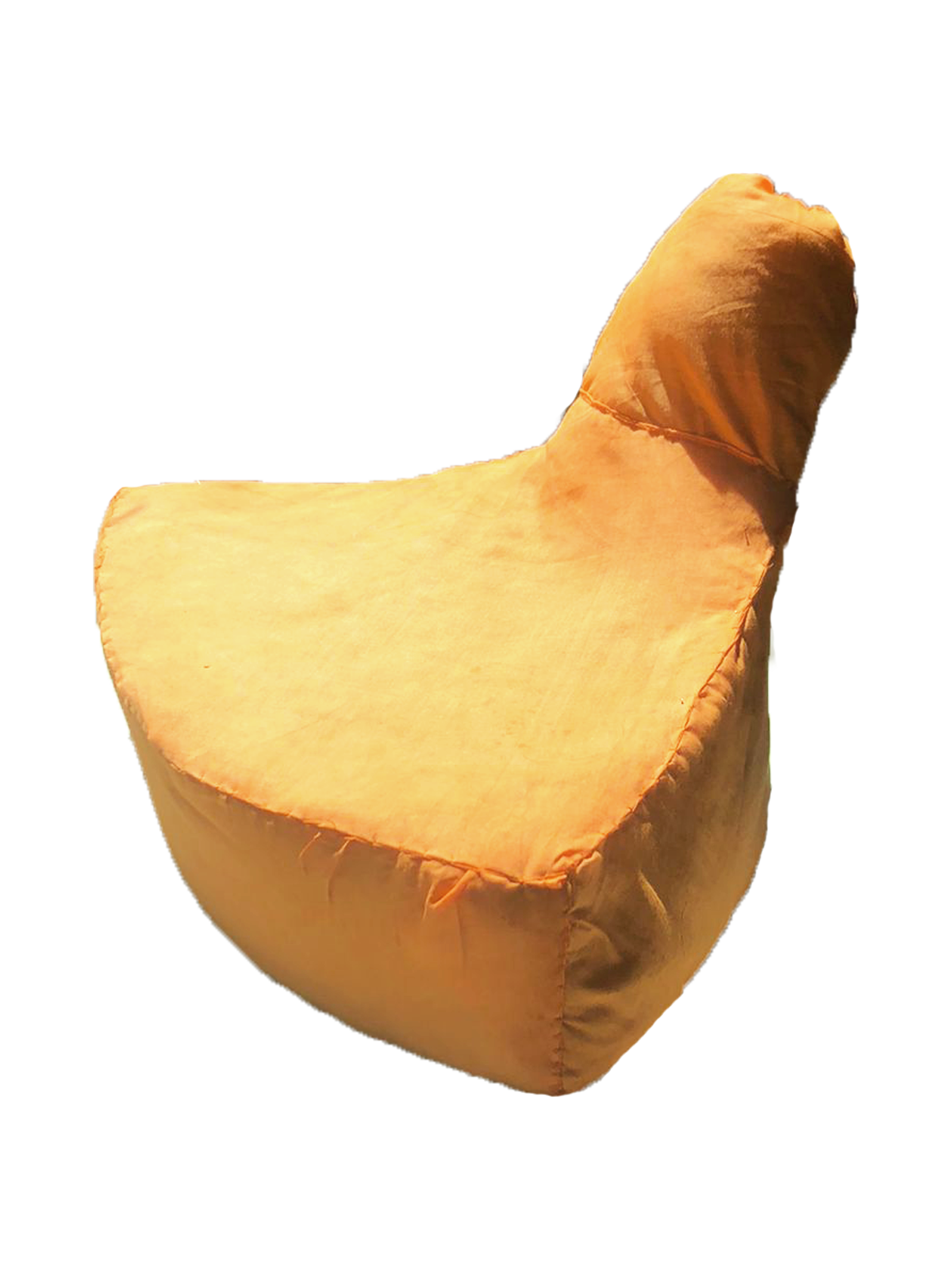
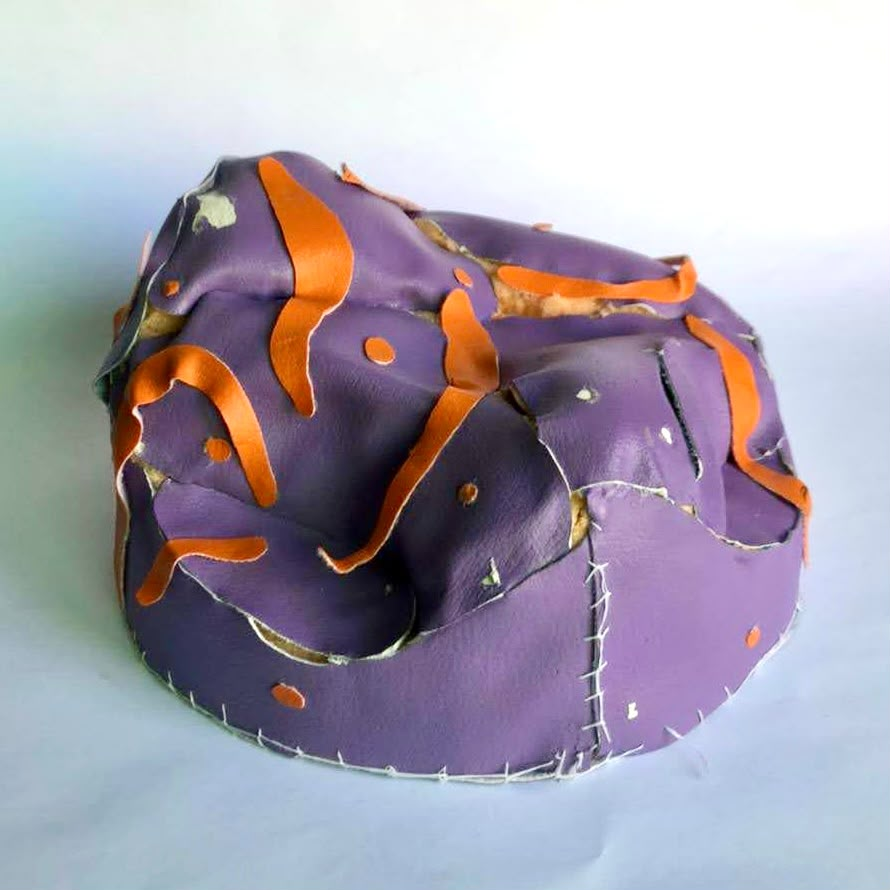
Three rounds of key models, each one testing a different question: does the cluster read as one object, does the seat pocket hold a child, and does a stitched rexine skin survive the compound curves.
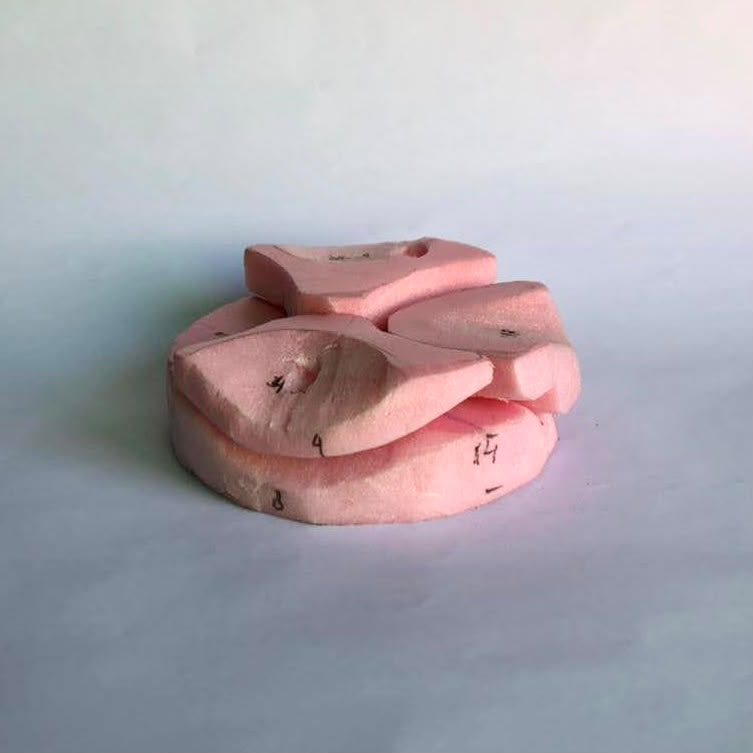
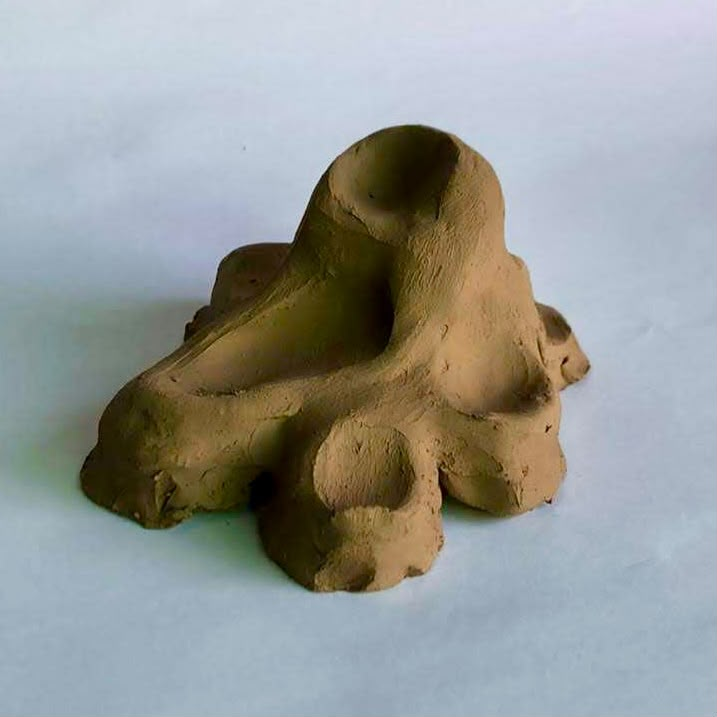
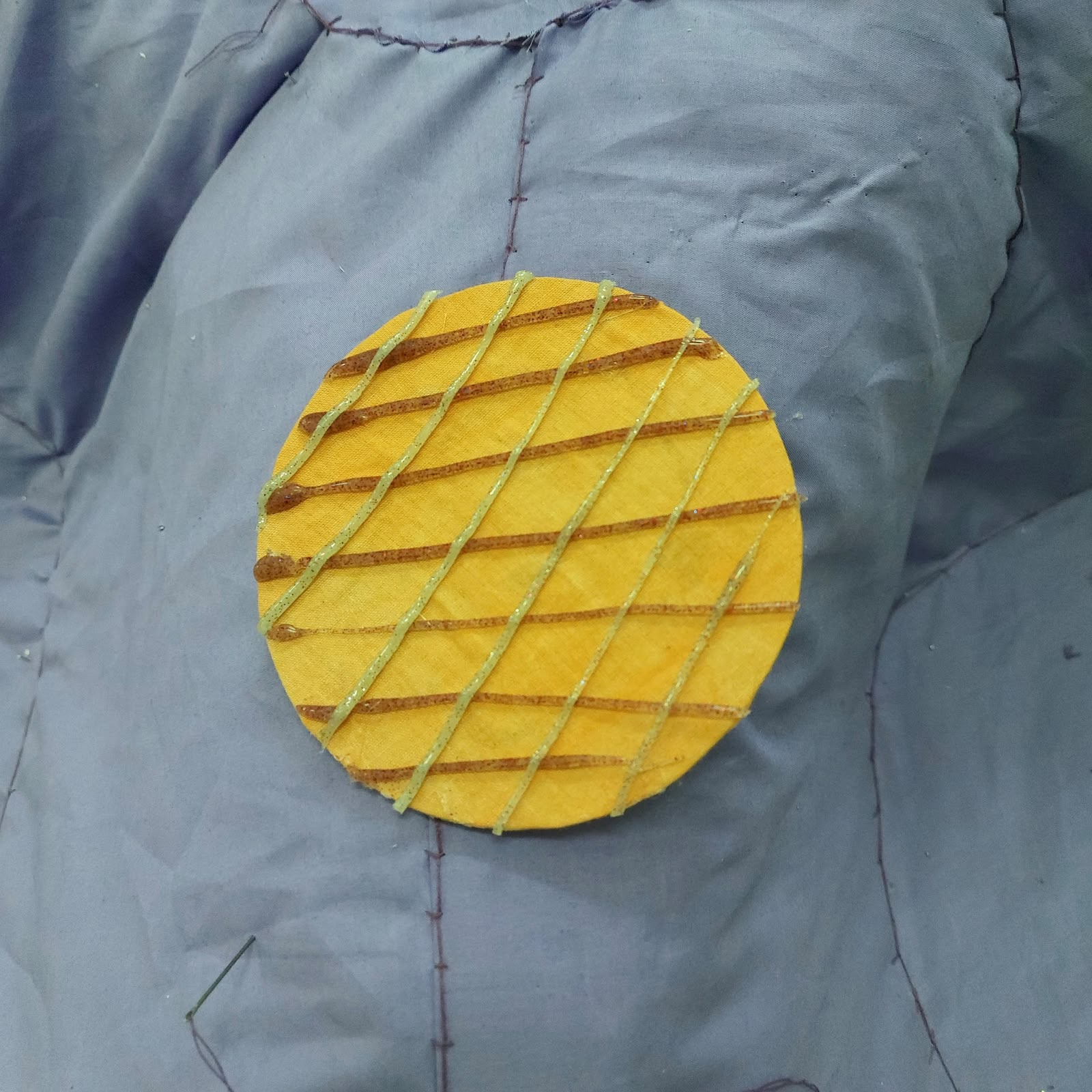
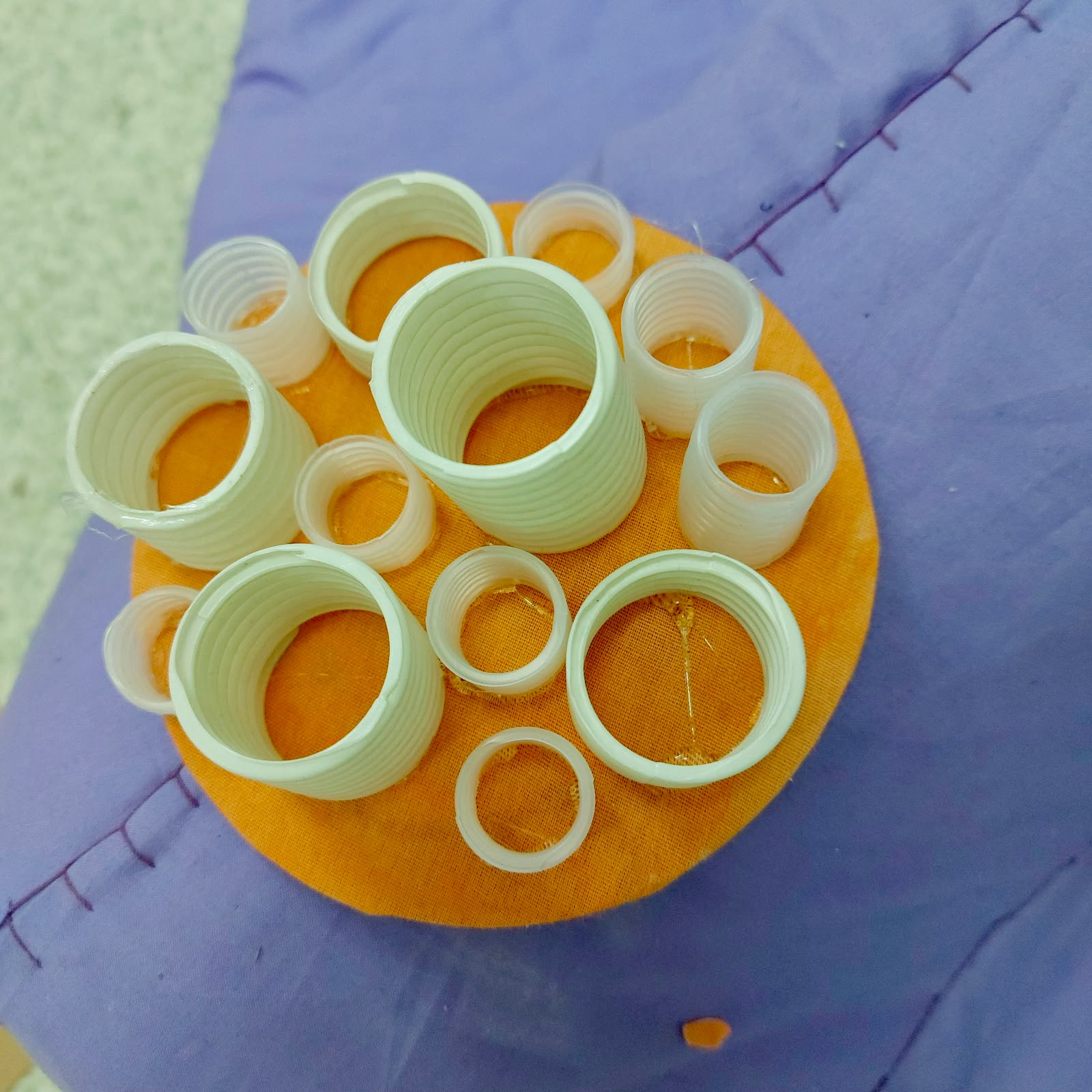
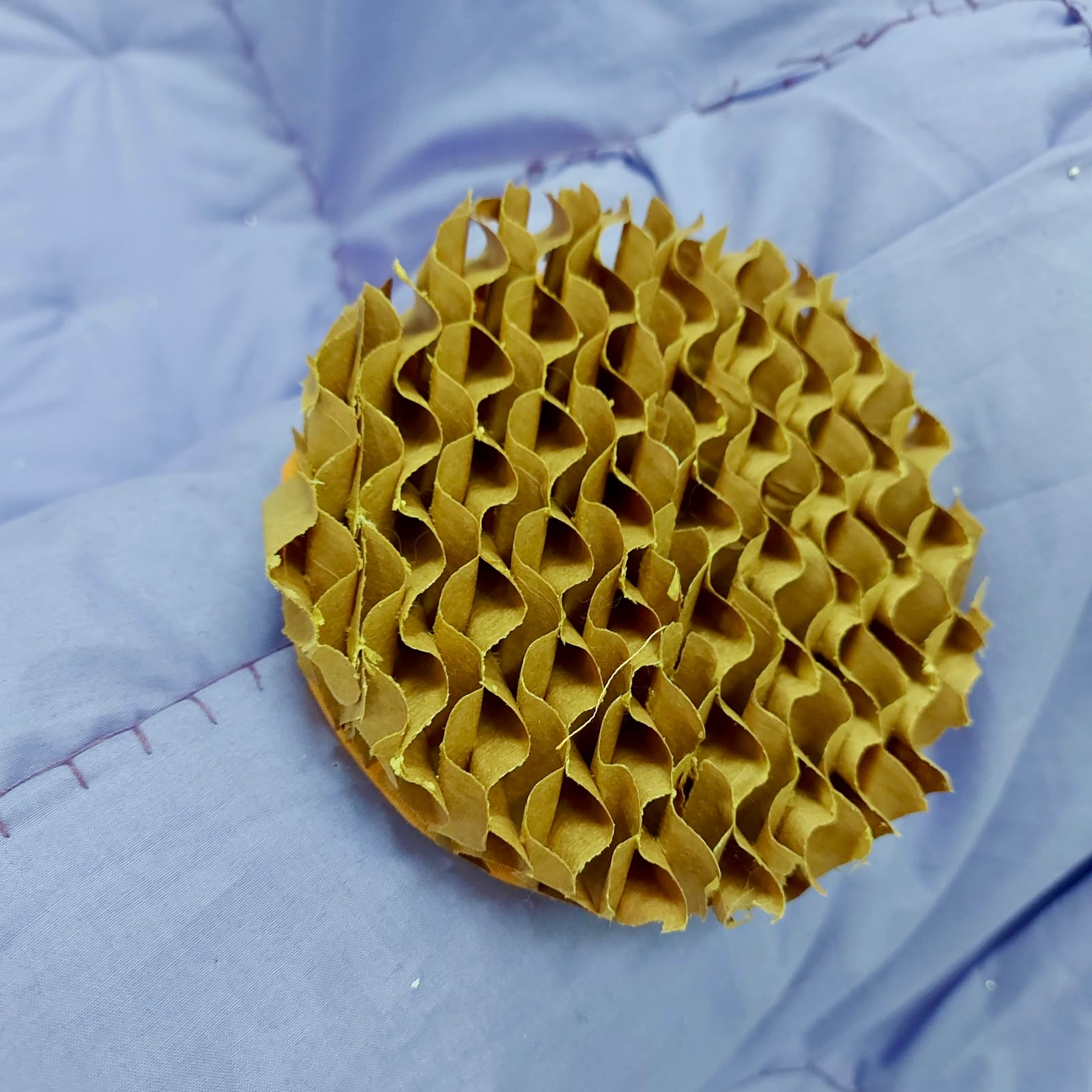
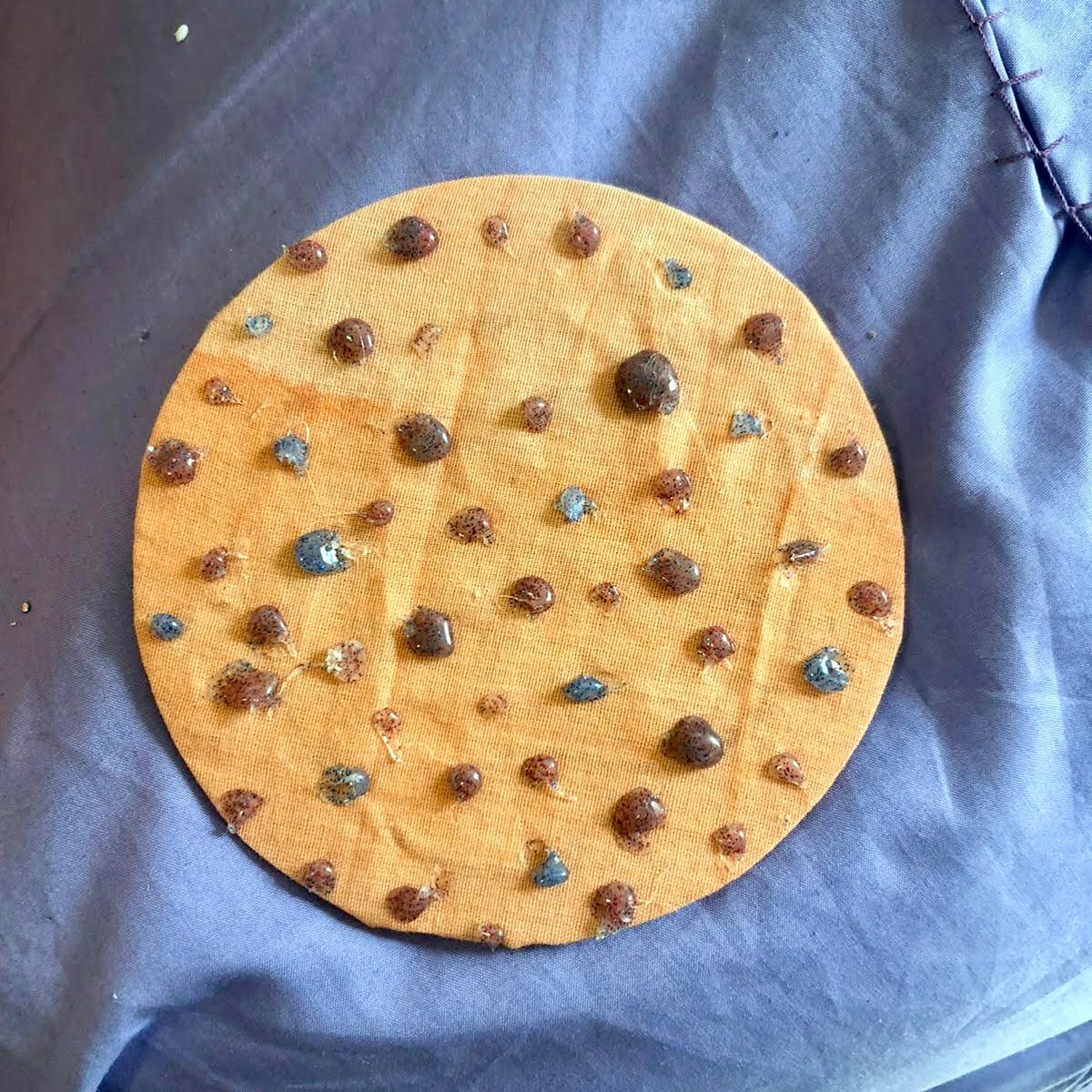
Round texture patches are set into the base: ridges, clusters of soft tubes, coarse honeycomb, scattered beads. They give a fidgeting child a reason to stay, and two children something shared to touch.
Every patch is velcro-backed, so a child can pull one off, swap it with a friend and press it back somewhere else. The prototype patches are stand-ins for the moulded final versions, the point was to test which textures got picked up first.
The base is climbable by design and takes a child's weight anywhere, so getting to a seat is part of the play.
Polyurethane foam, no hard edges, no frame to fall against
Rexine synthetic leather, wipes clean, survives a nursery
Purple base, orange seats, the seats read as the invitation
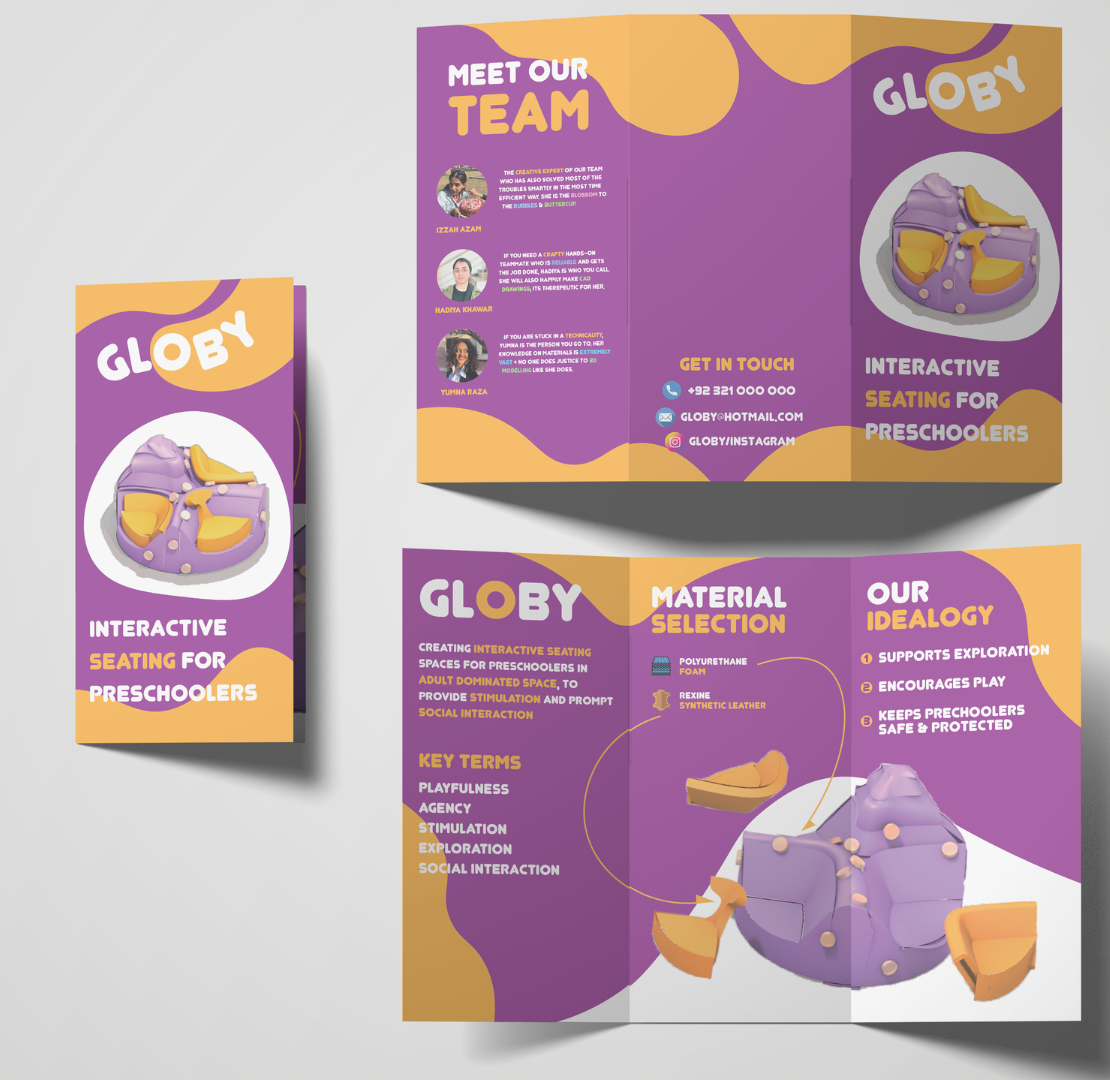
A tri-fold in the same purple and orange: key terms, material selection, our three rules, and the team.
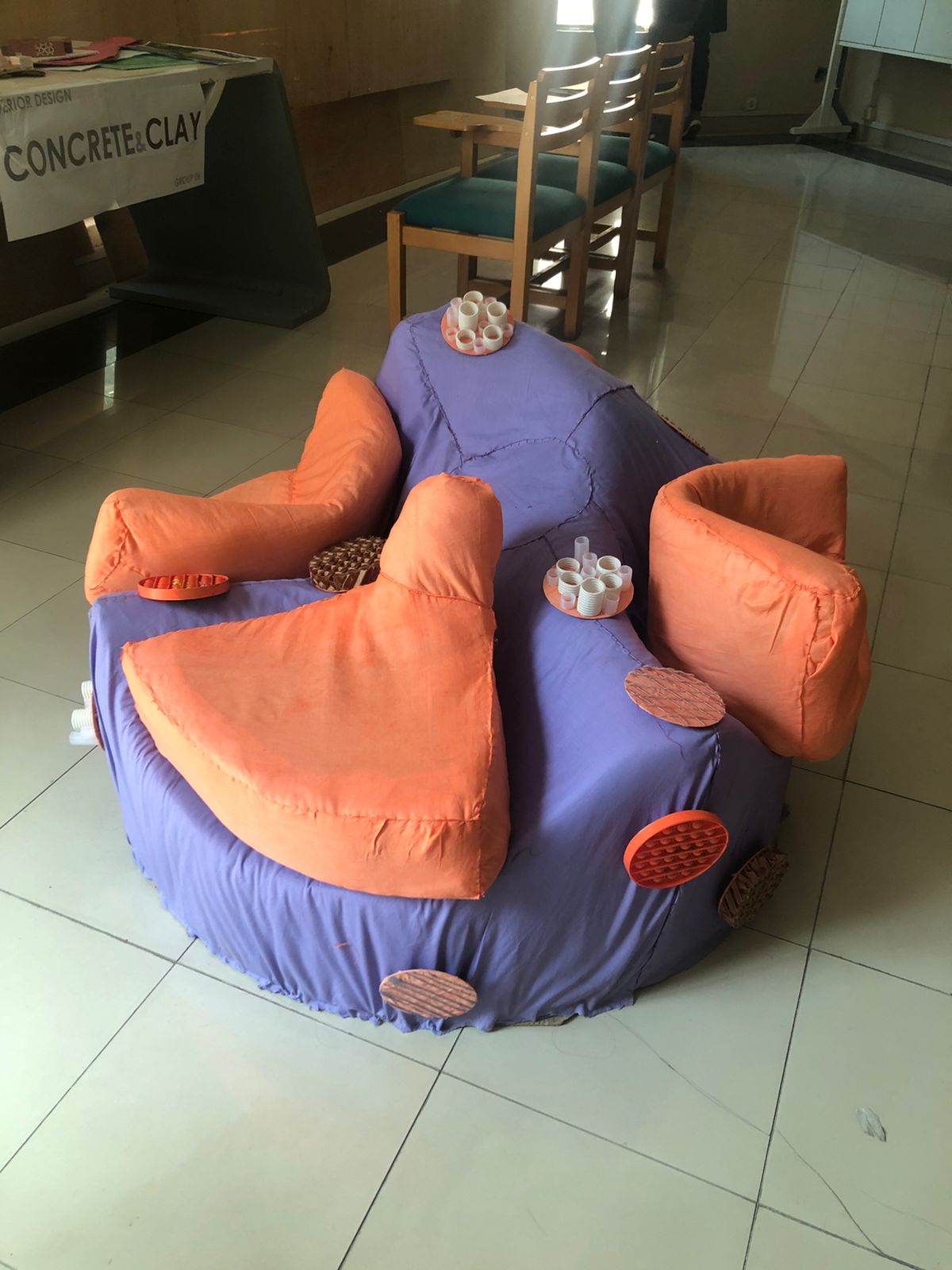
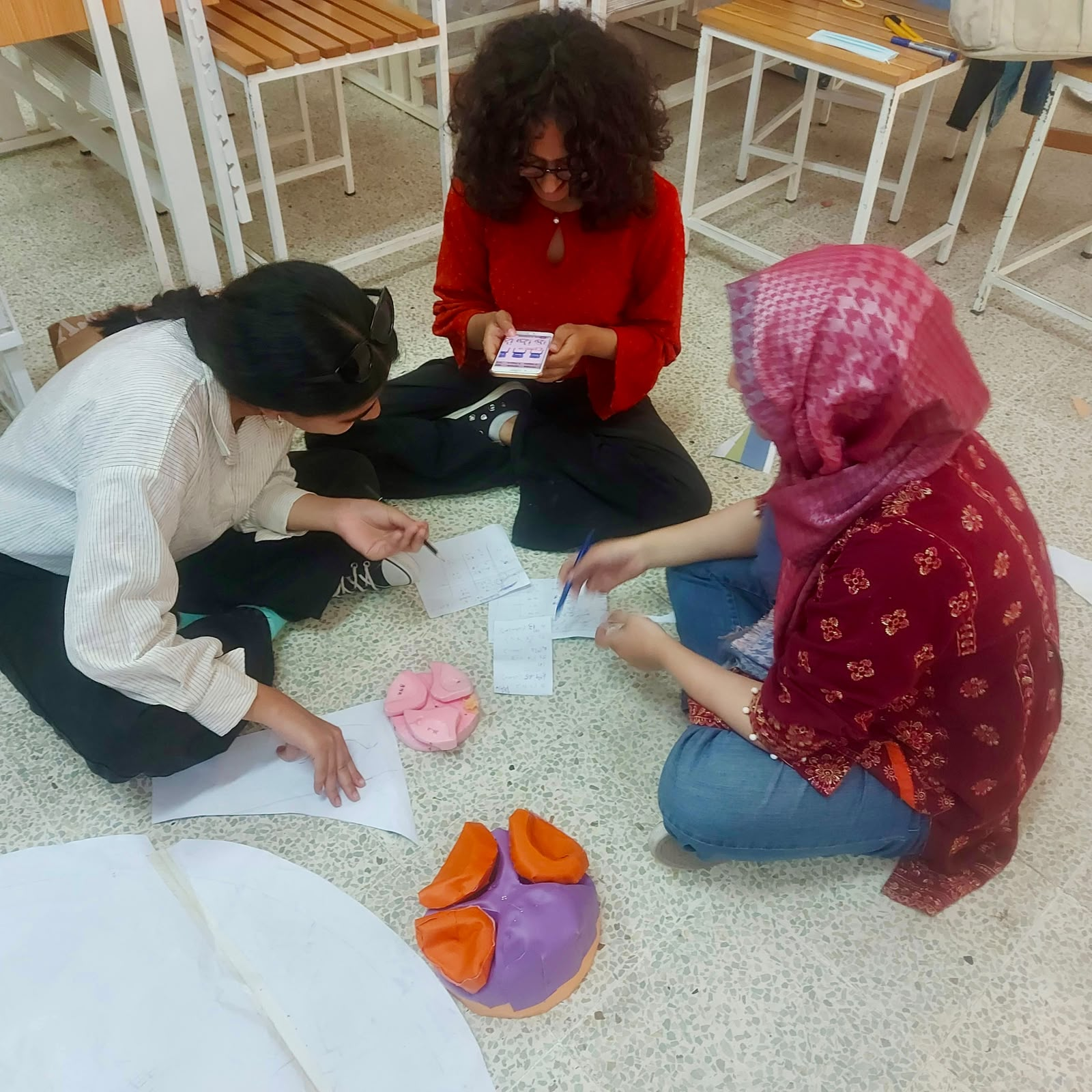
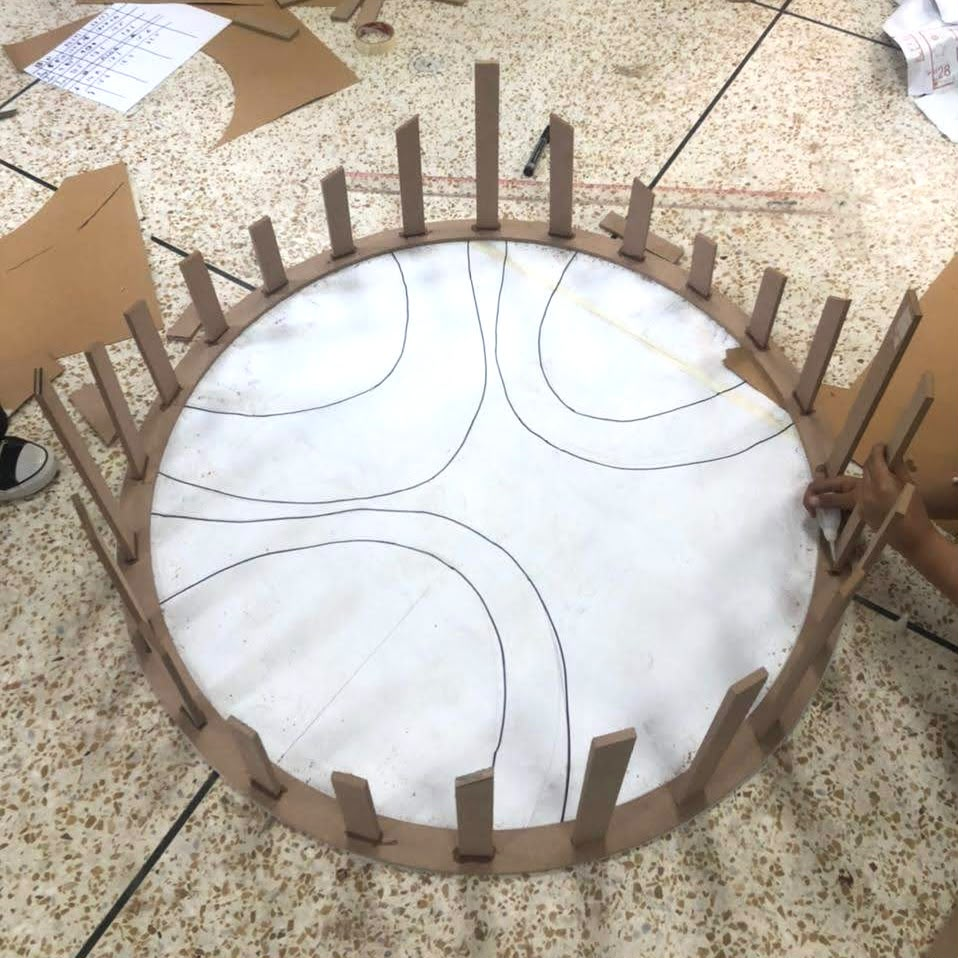
A plywood ring with radial ribs set the footprint, foam and batting built the volume, then every panel was cut from the fabric layouts and sewn by hand. The base alone took three of us to turn. It was shown at full scale at the end-of-semester exhibition.
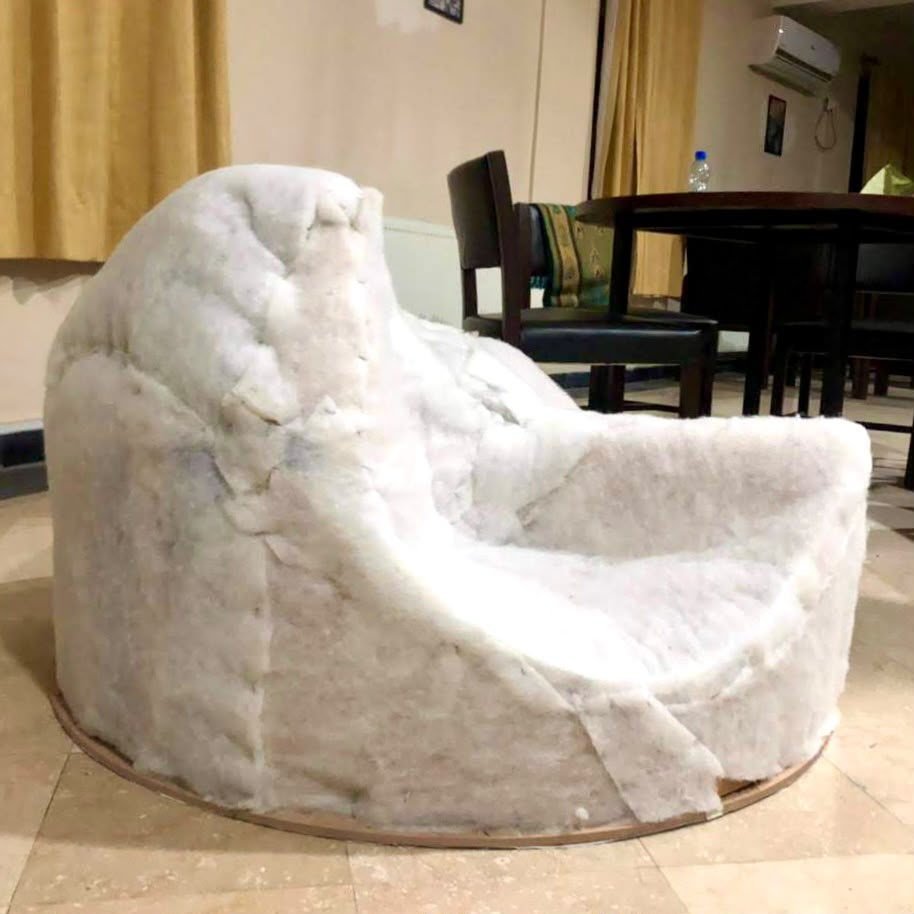
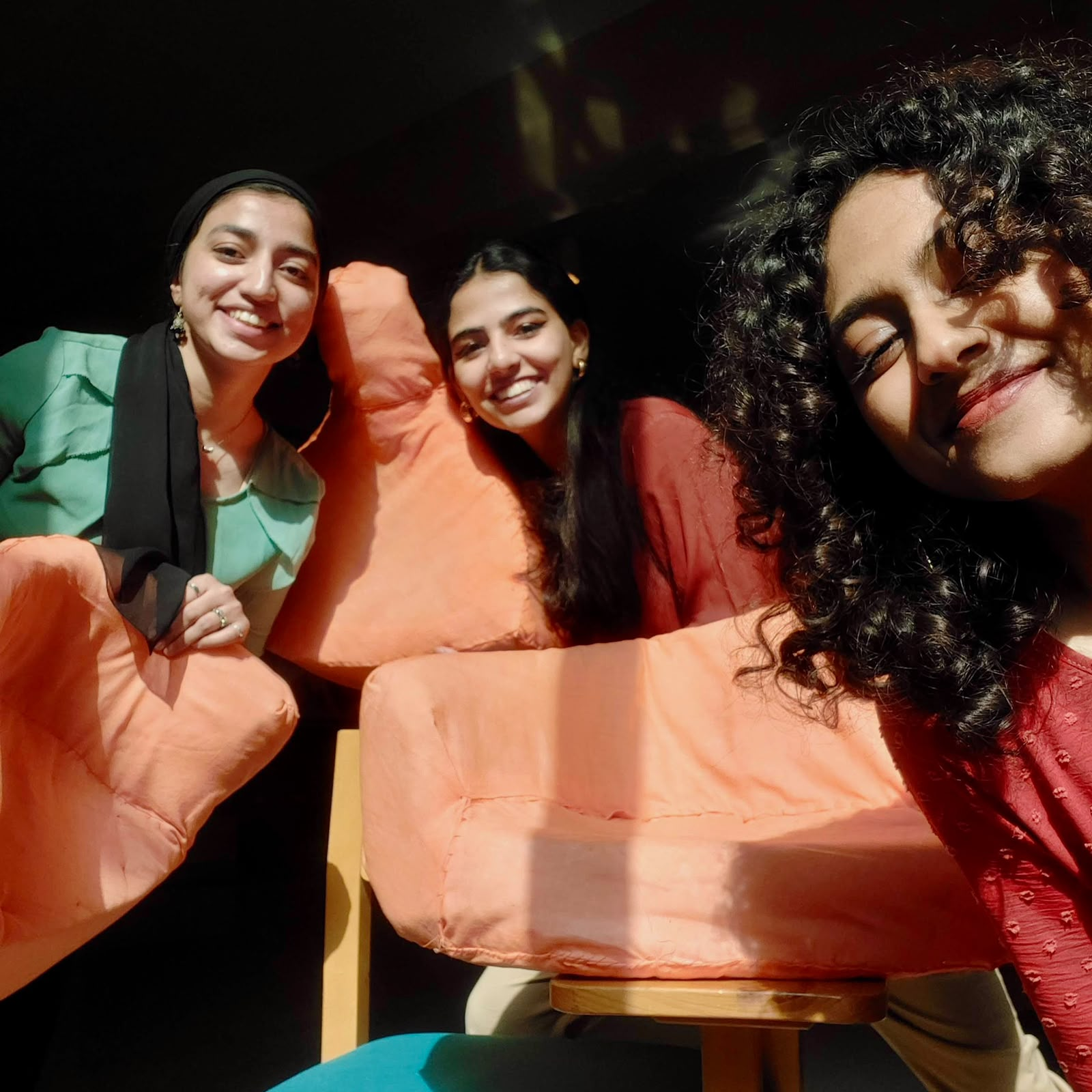
The finished piece: three seats turned in on each other, sensory patches within reach of all of them, and a base low enough to climb.