The brief handed me a material, not a product: seven weeks, keep it cheap, build it around EVA foam. So I went looking for people whose comfort is already a compromise, and found them at the orthopedic footwear shelf in Lahore.
Two options on that shelf. Works underfoot but looks like equipment, or looks normal and does nothing. Both treat the whole shoe as the medical part, when only the insole has to change.
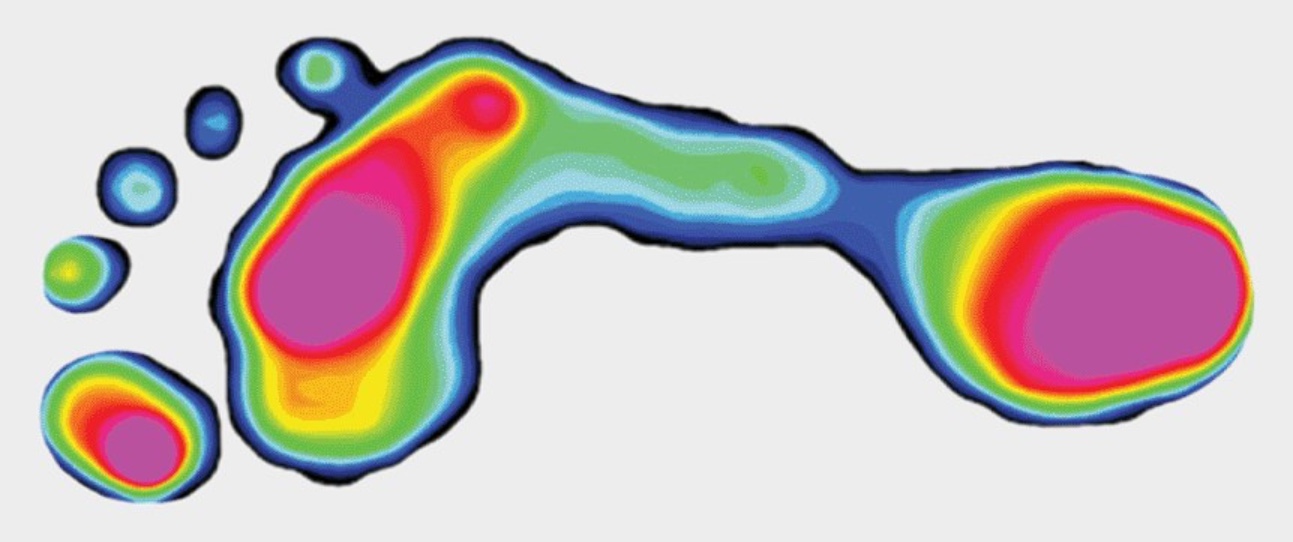
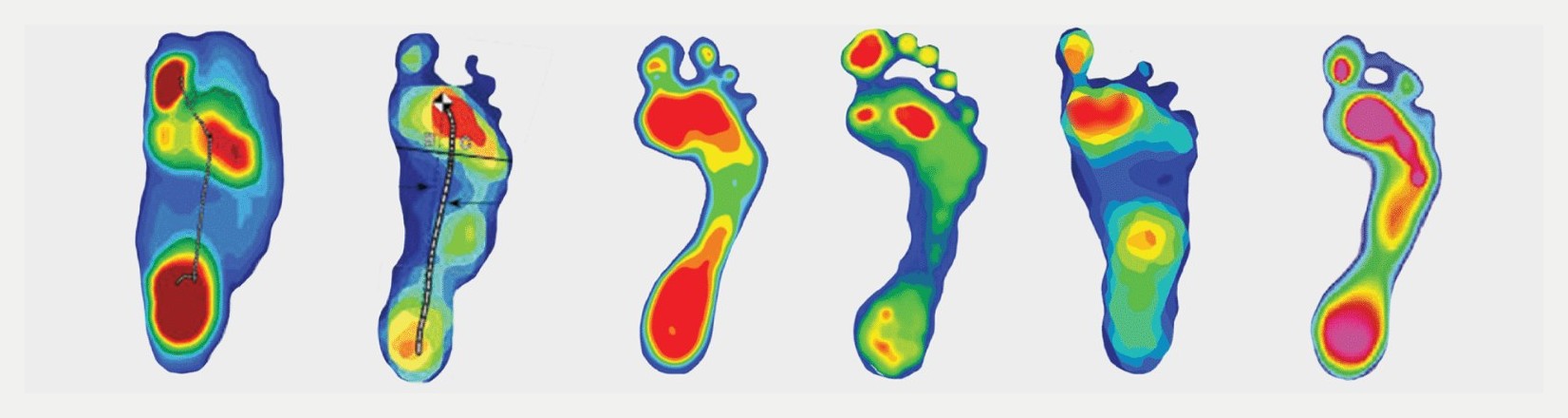
Pressure mapping shows where weight lands under load. Every condition distorts that pattern in a repeatable way, and the distortion is the brief for each insole.
Six conditions, six load patterns, often asking for opposite things. Arthritis wants cushioning; supination wants a wedge on the other side of the foot.
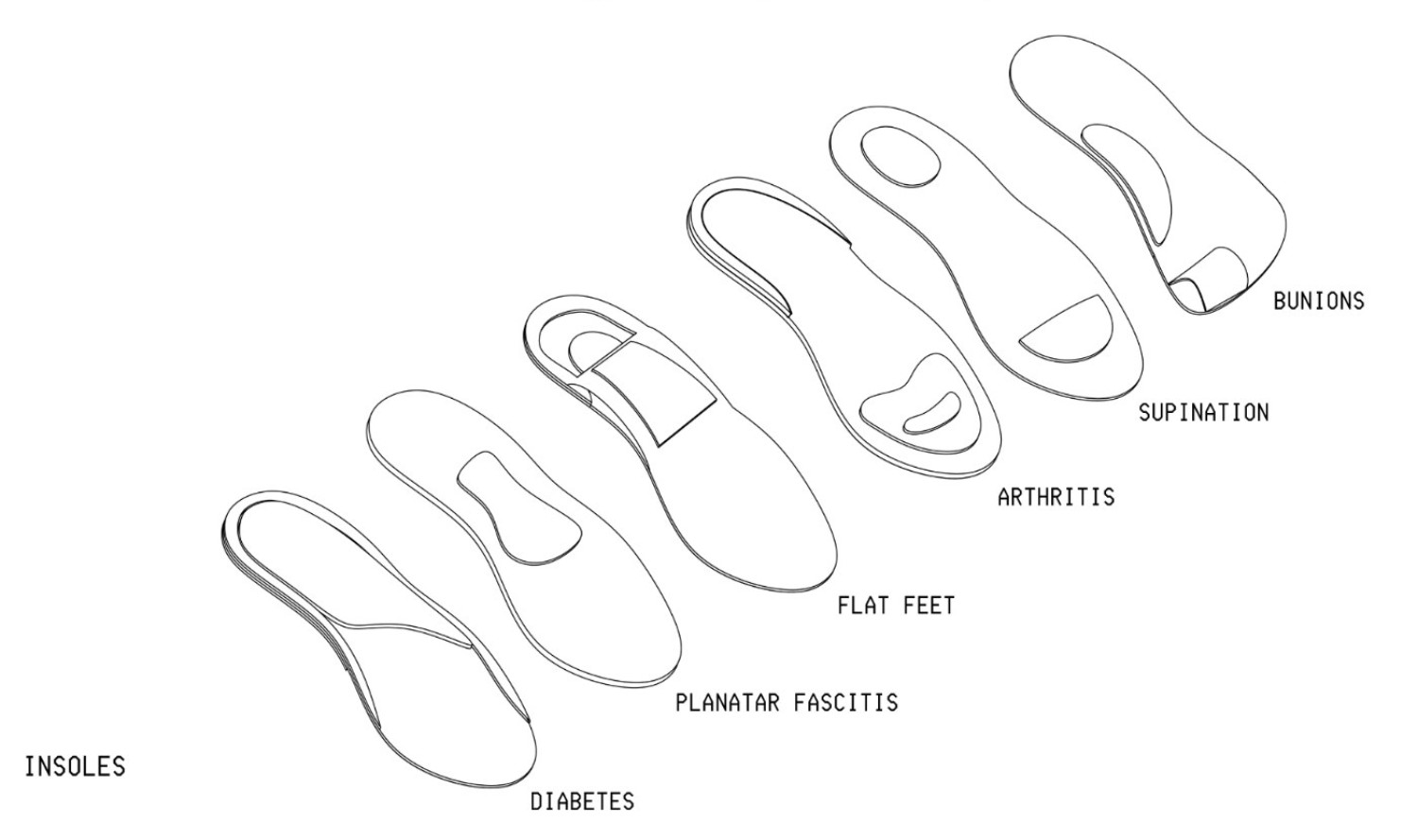
One shoe with a lift-out footbed, six insoles on an identical outline. You pick the shoe because you like it, the insole because of your condition. No scanner, no fitting, no custom order.
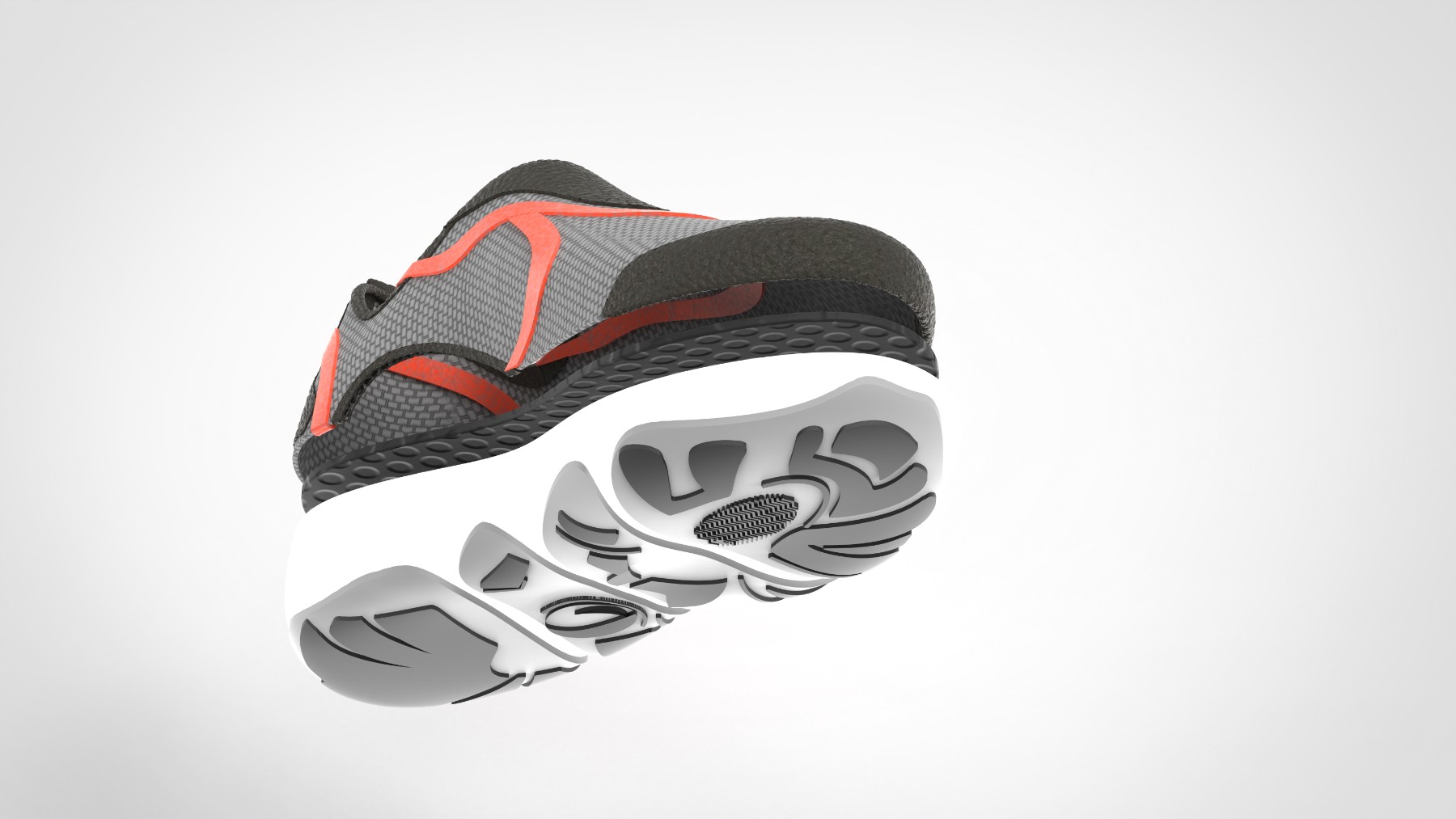
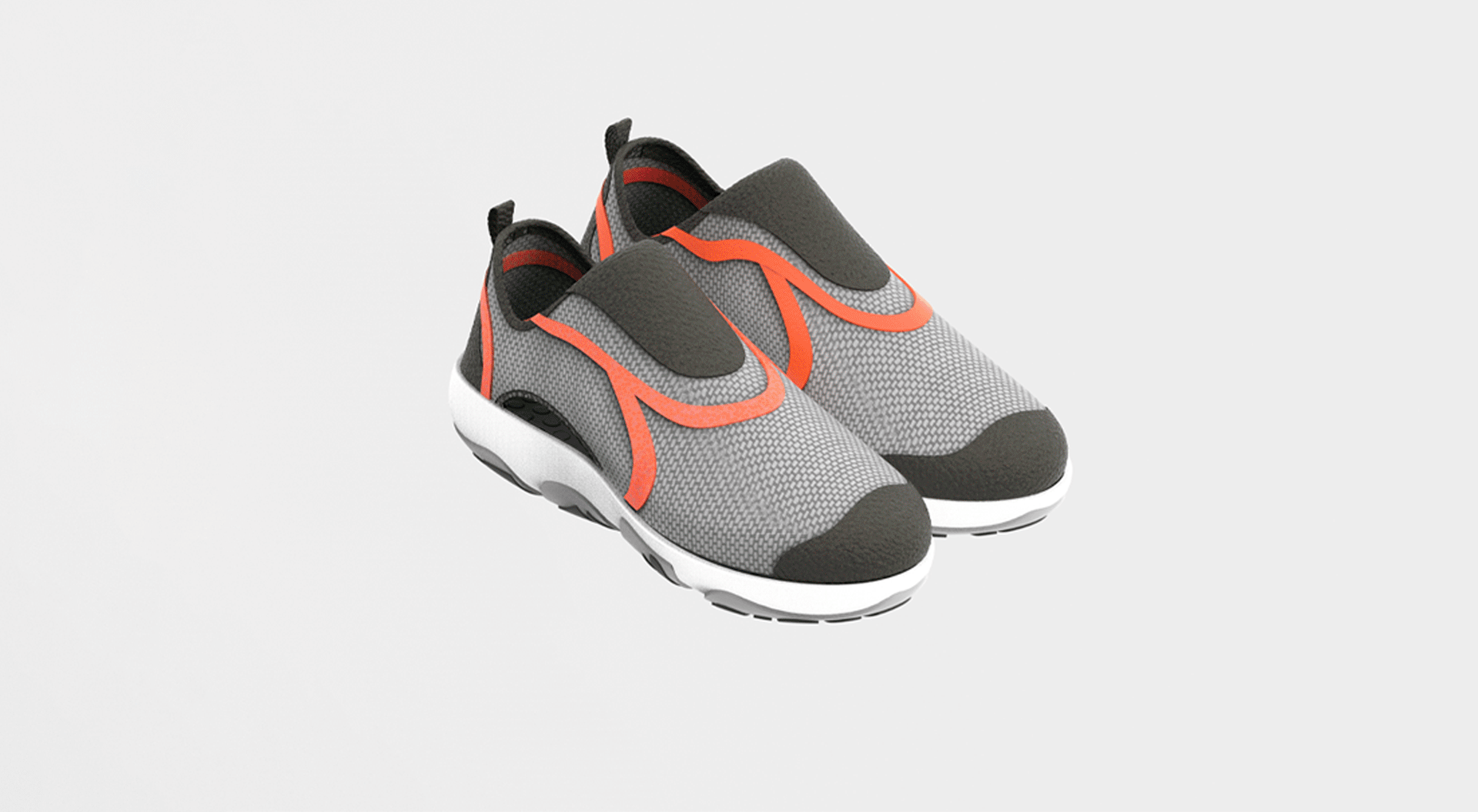
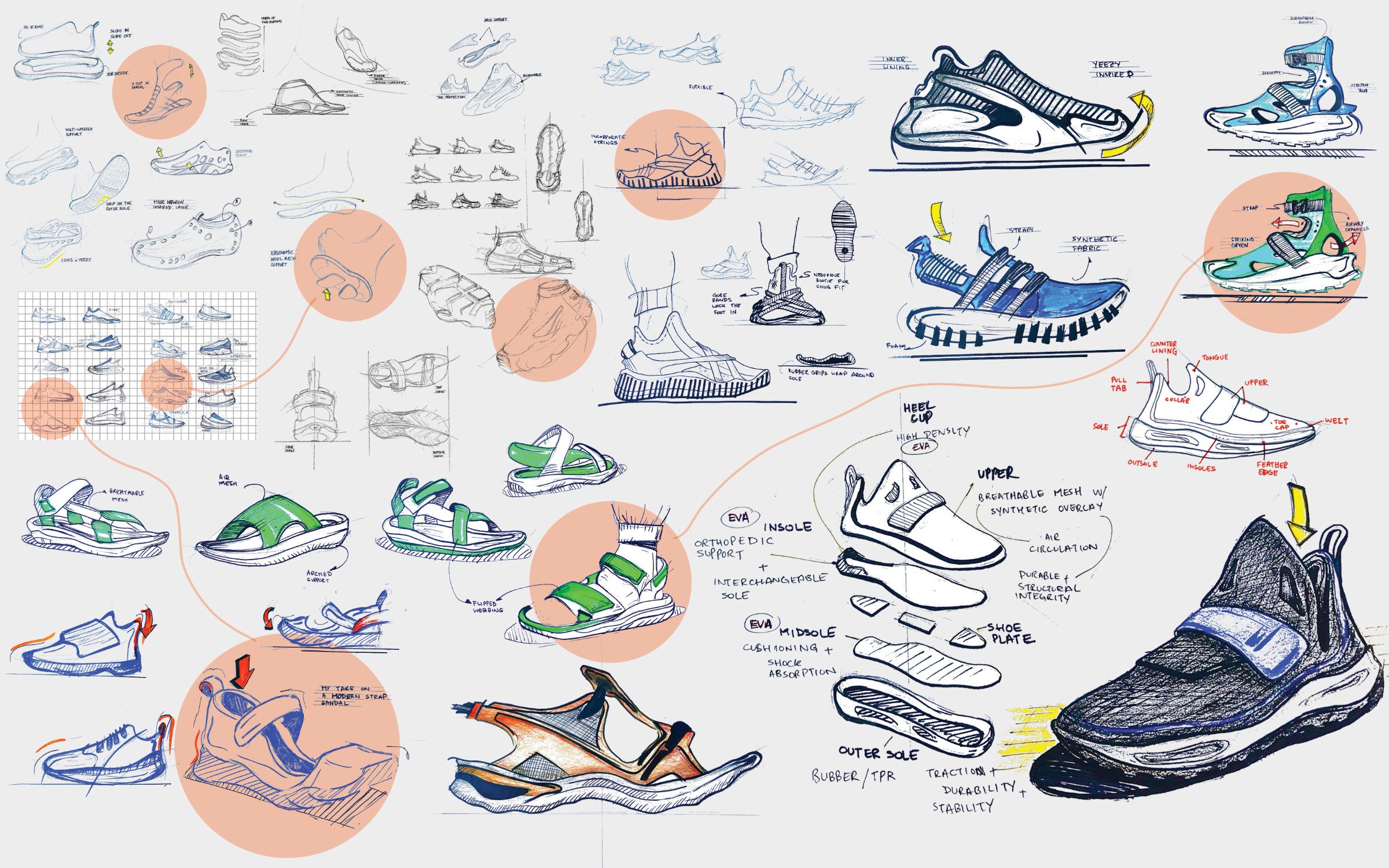
Closure was the real question: laces are slow for arthritic hands, a risk for diabetic feet. A wide elastic strap over a slip-on last, on a midsole chunky enough to hide the foam.
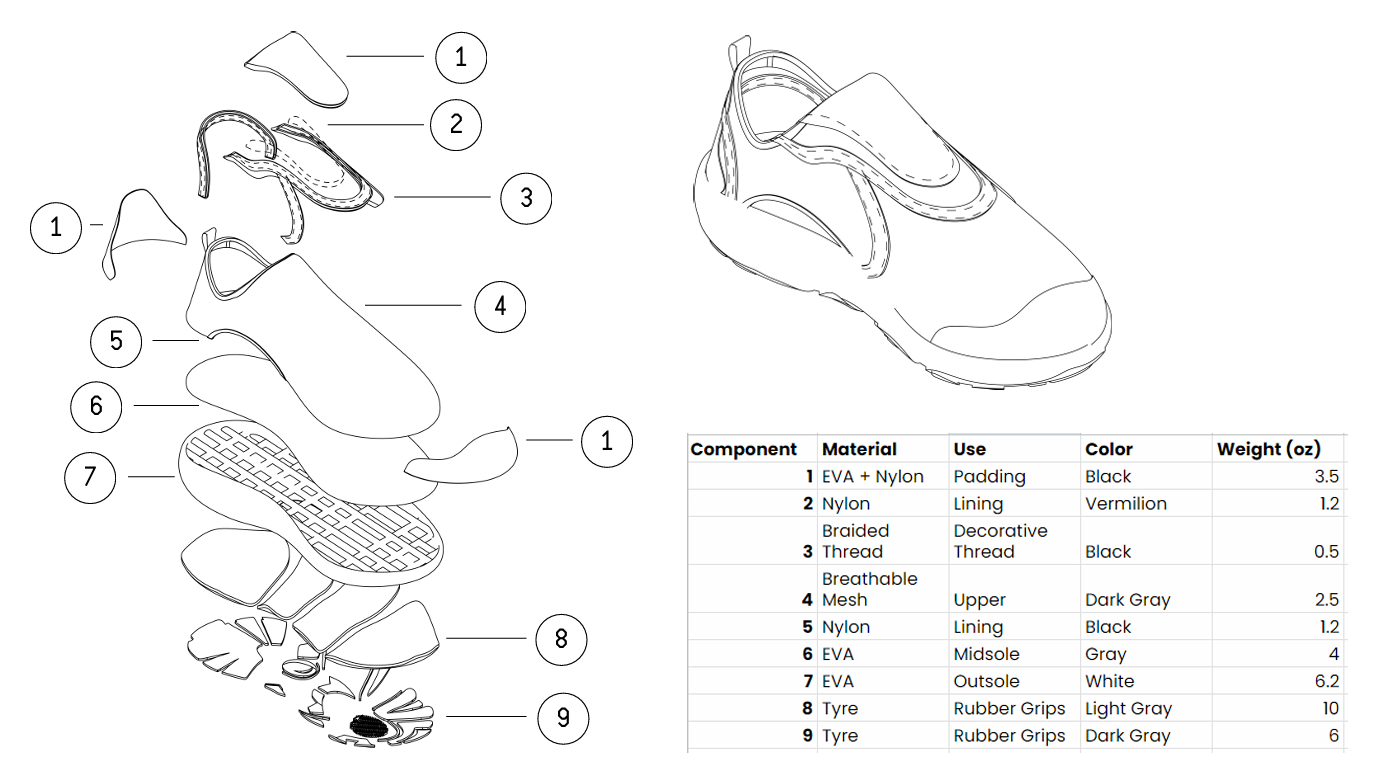
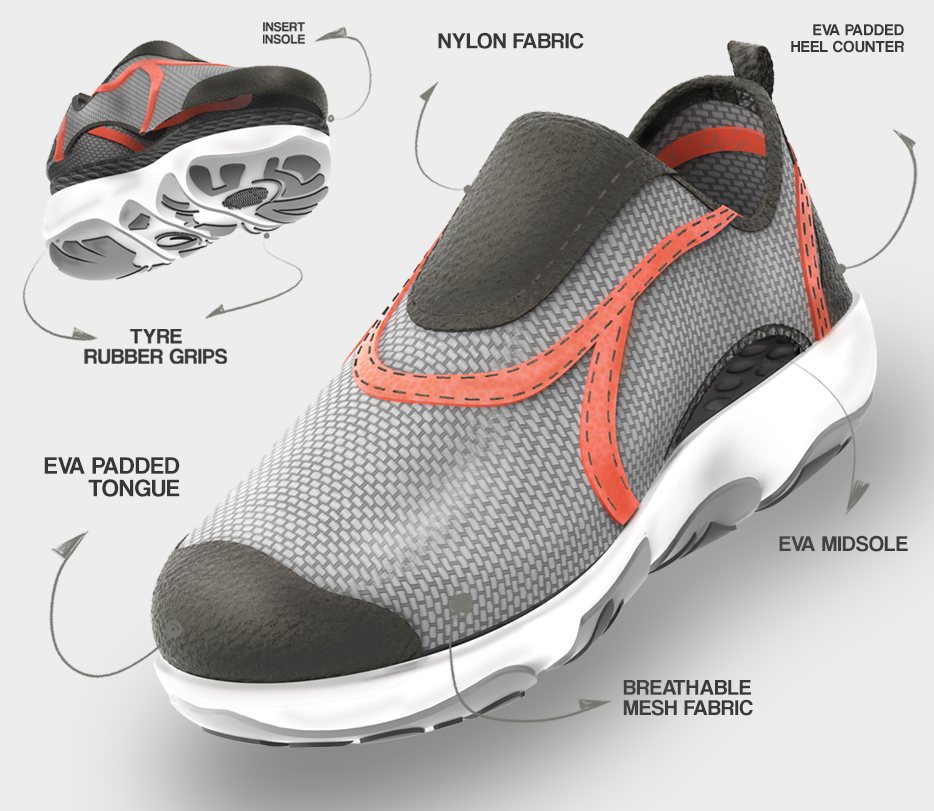
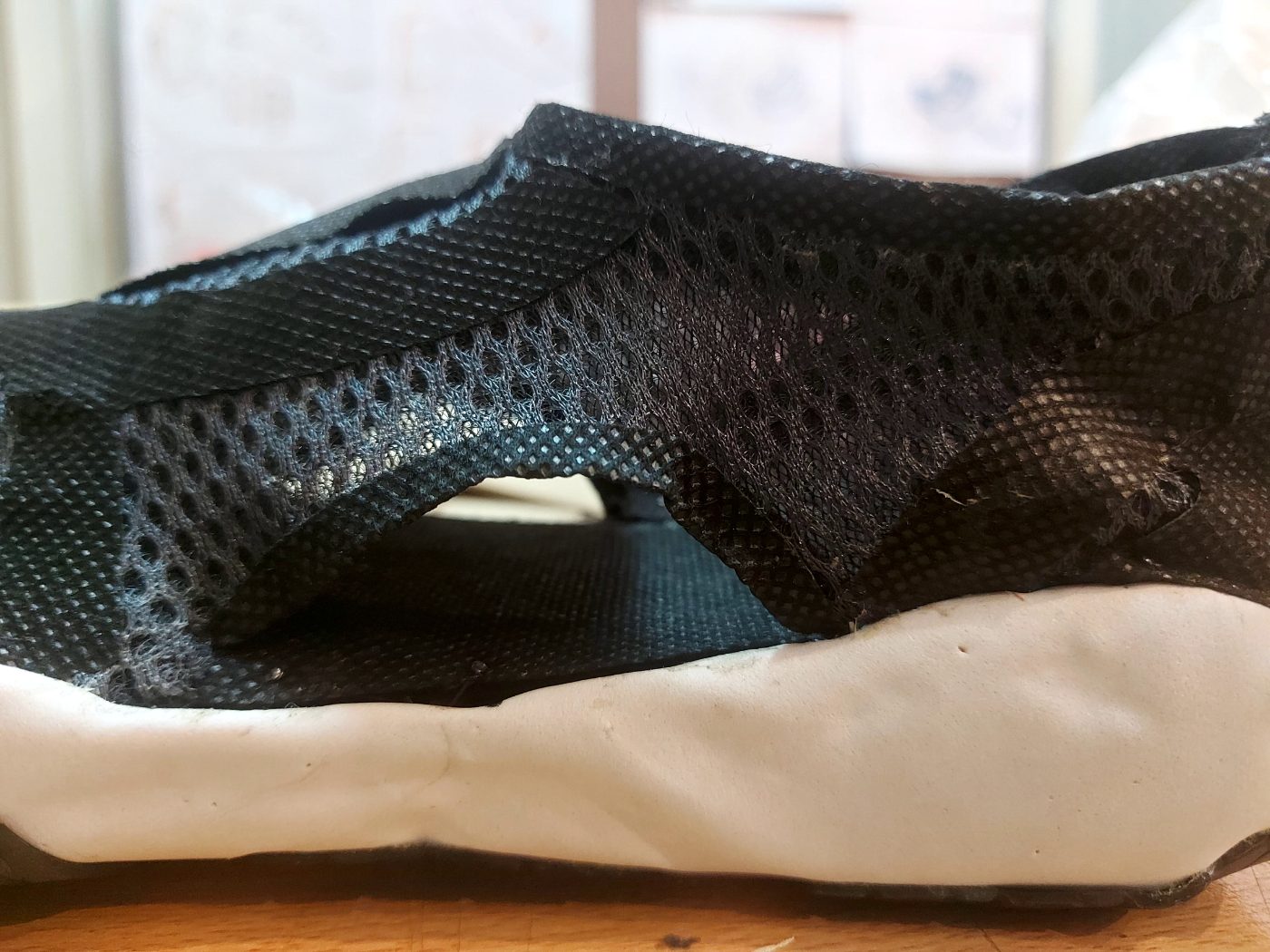
Mesh upper, EVA padding at tongue and heel, EVA midsole, recycled tyre-rubber outsole. Everything is bonded except the insole, which lifts out.
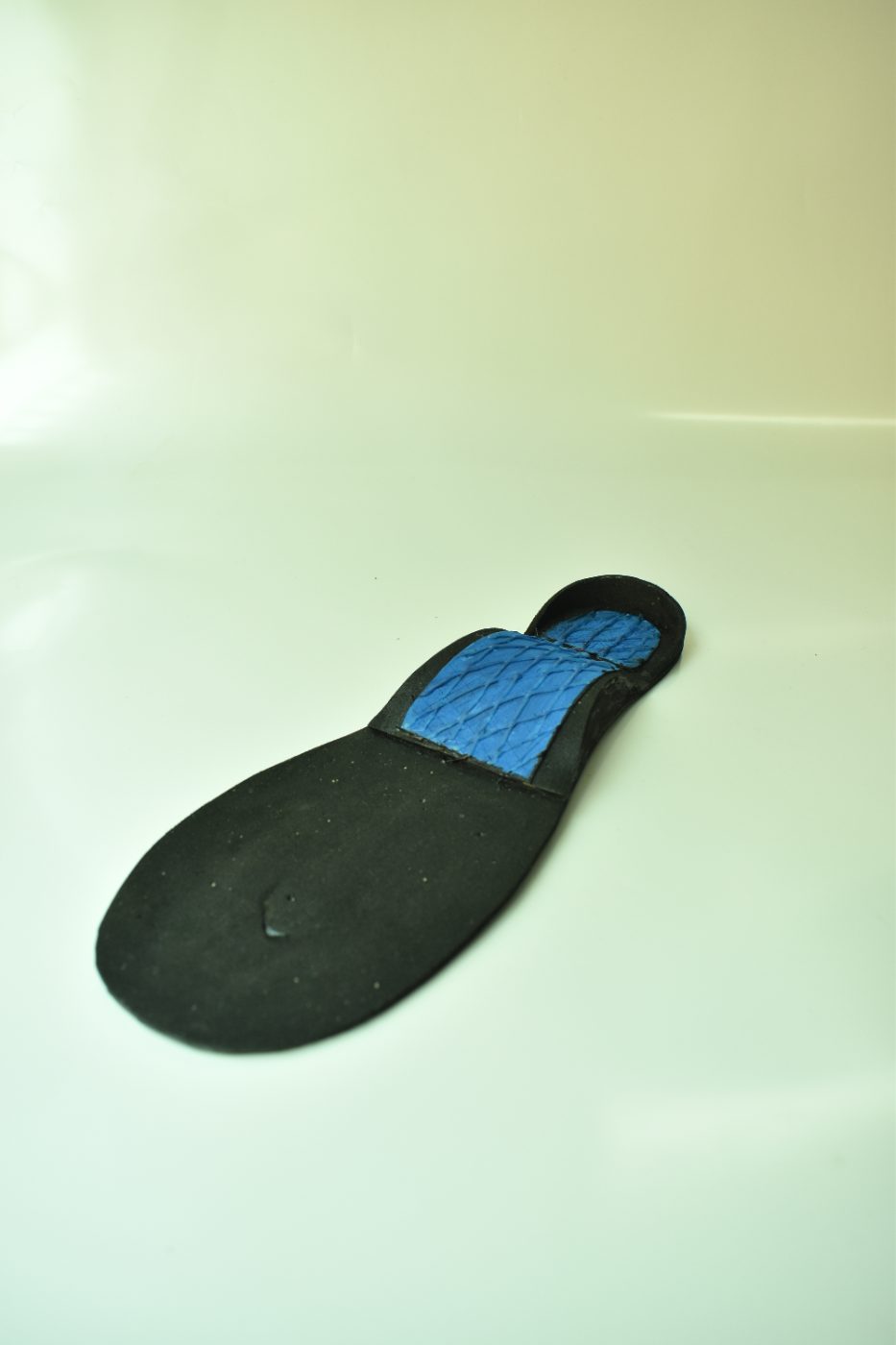
Same outline, same EVA base. What changes is where the silicone sits, how high the arch climbs, how deep the heel cup goes.
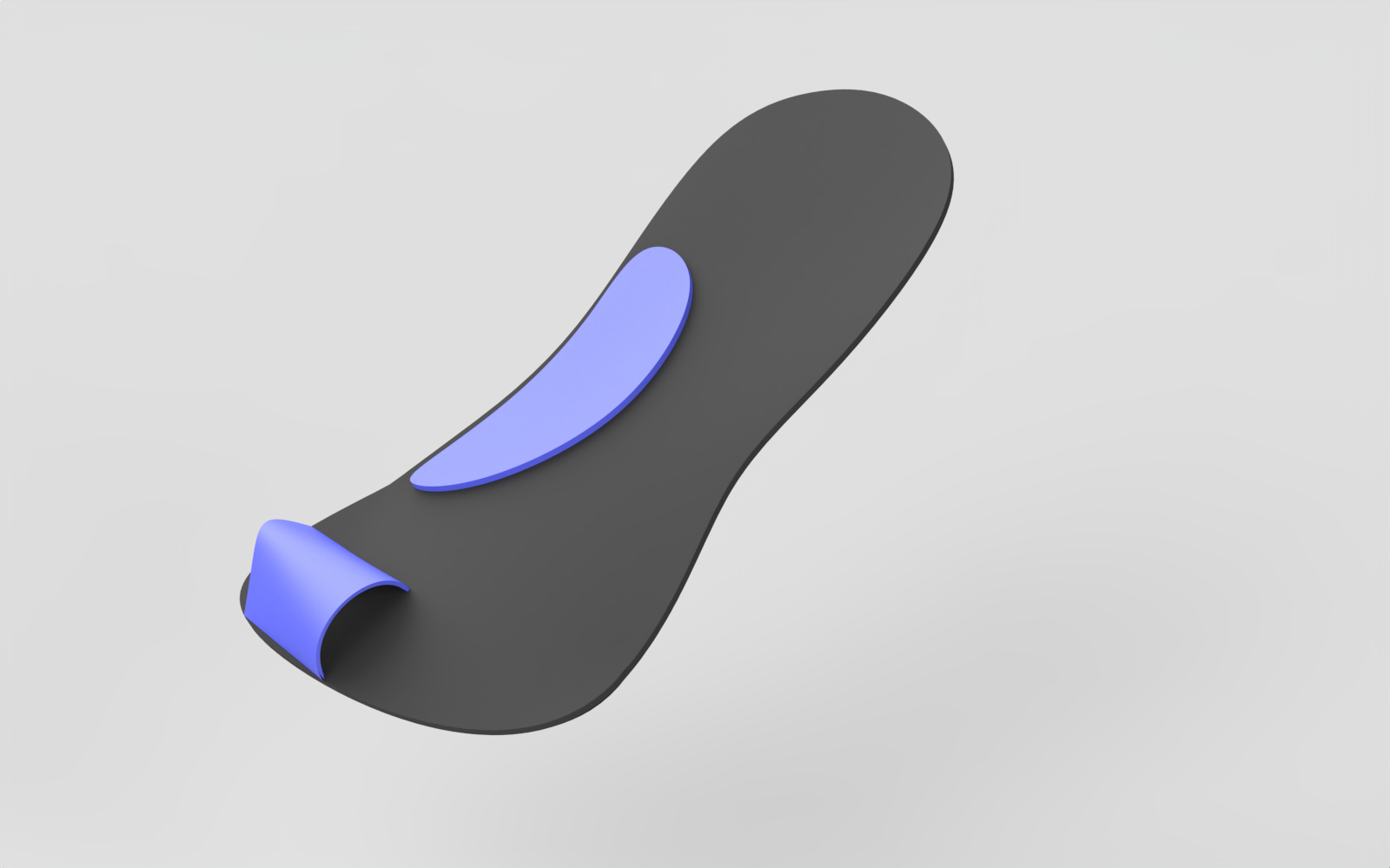
A relief pad and a cut-away under the first metatarsal joint, so the bunion carries no load.
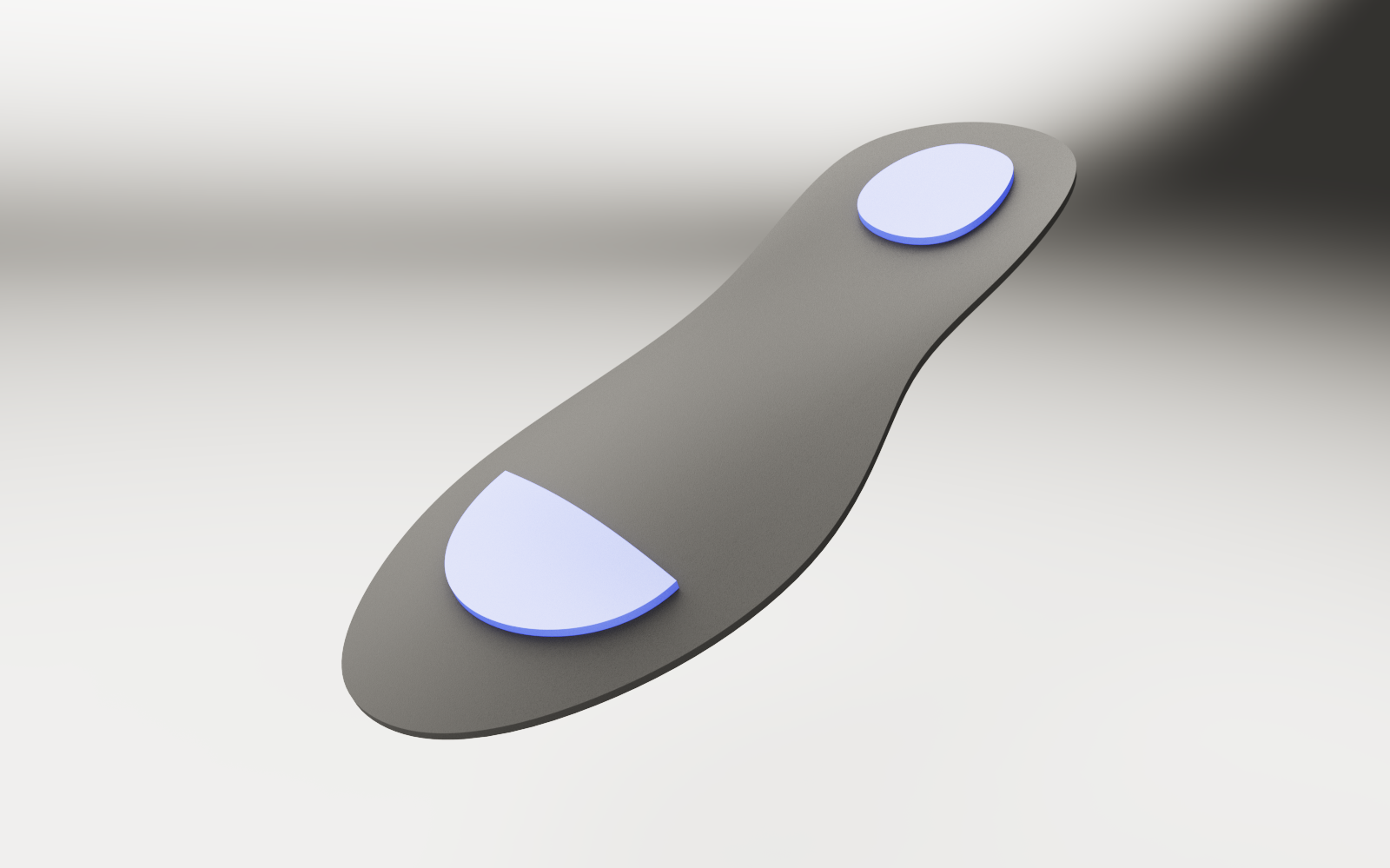
A lateral wedge and heel pad, rolling load off the rim and back to the centre.
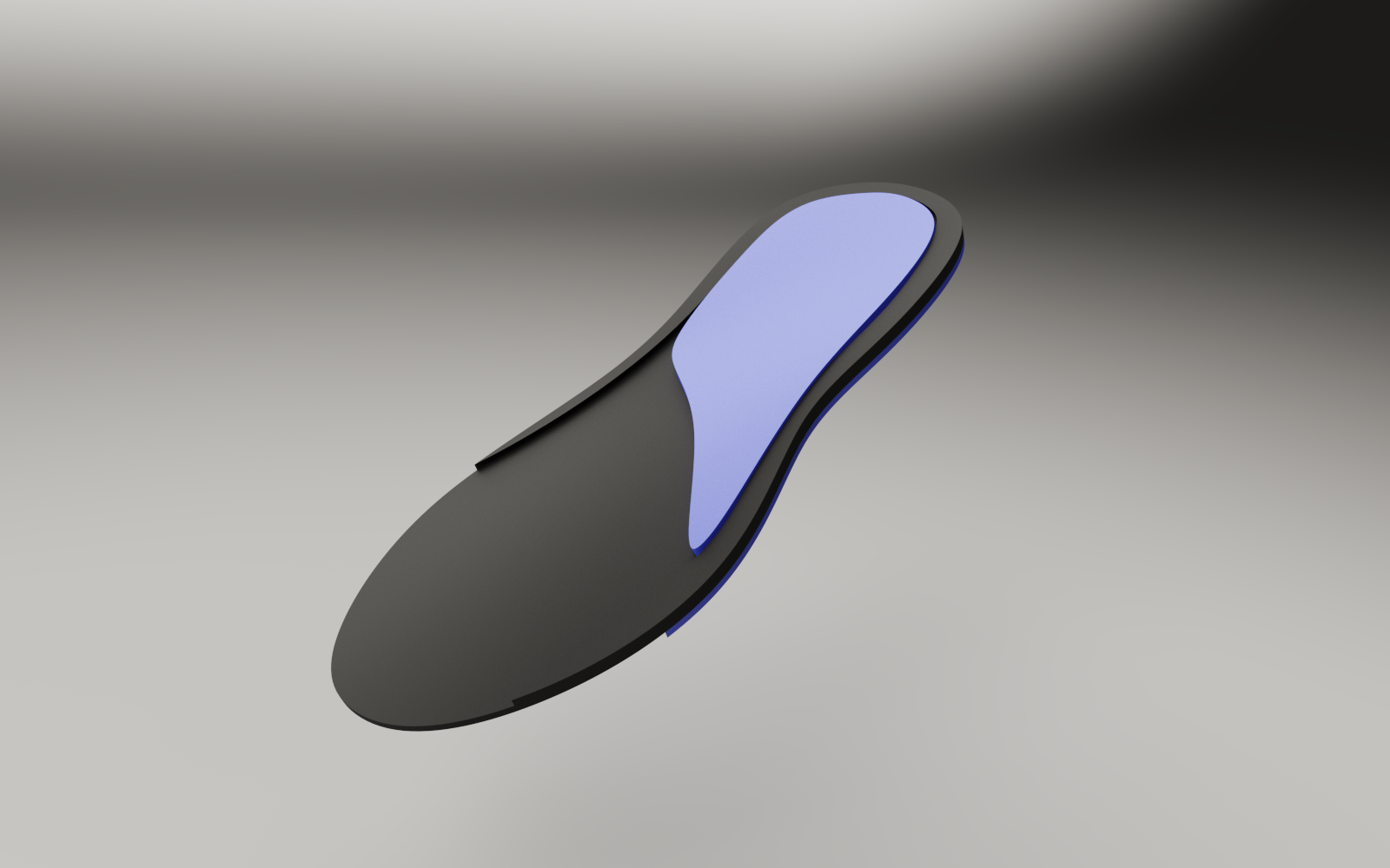
Soft silicone through arch and heel, cushioning, not correction.
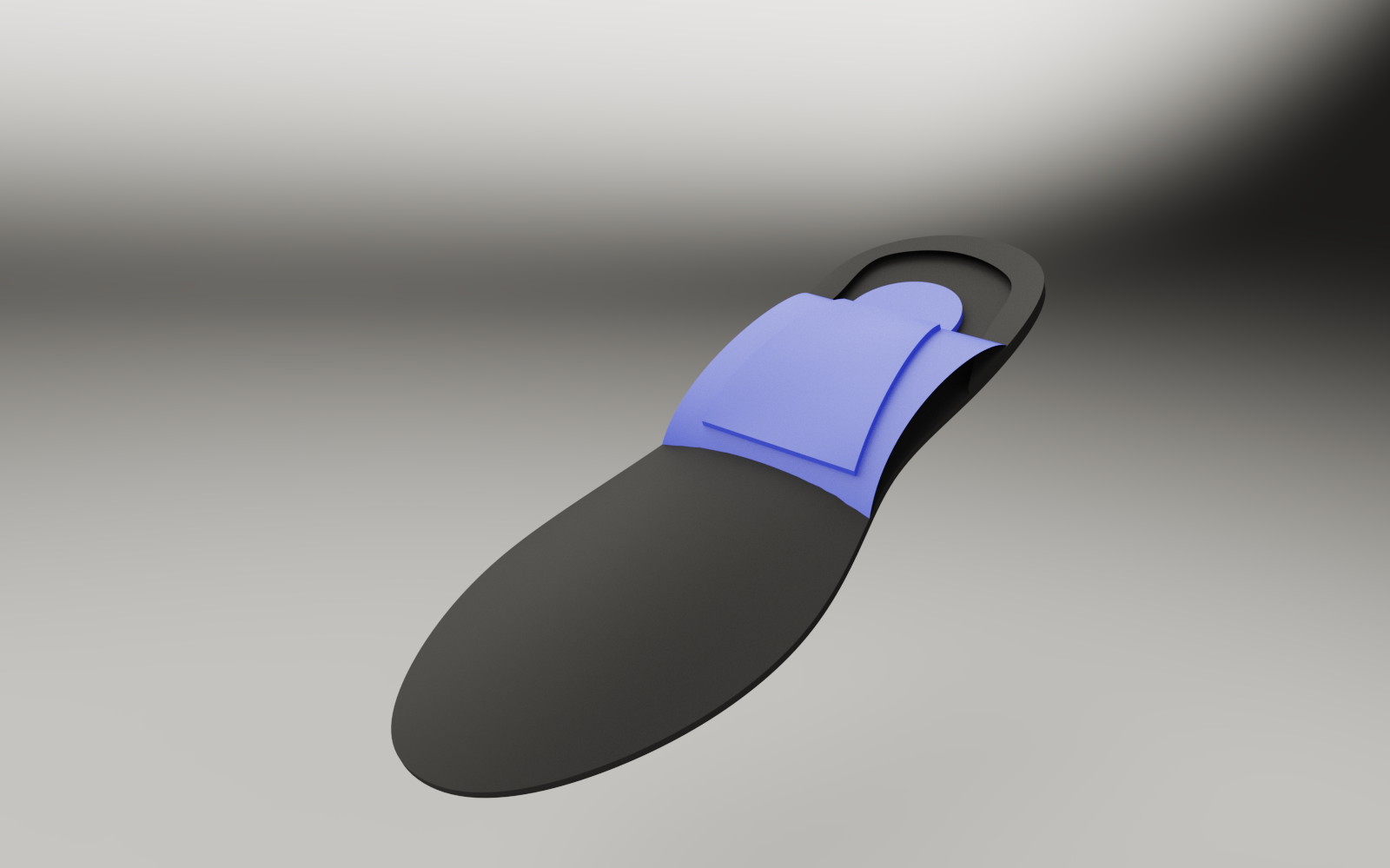
The tallest arch in the set; it rebuilds the arch the foot doesn't have.
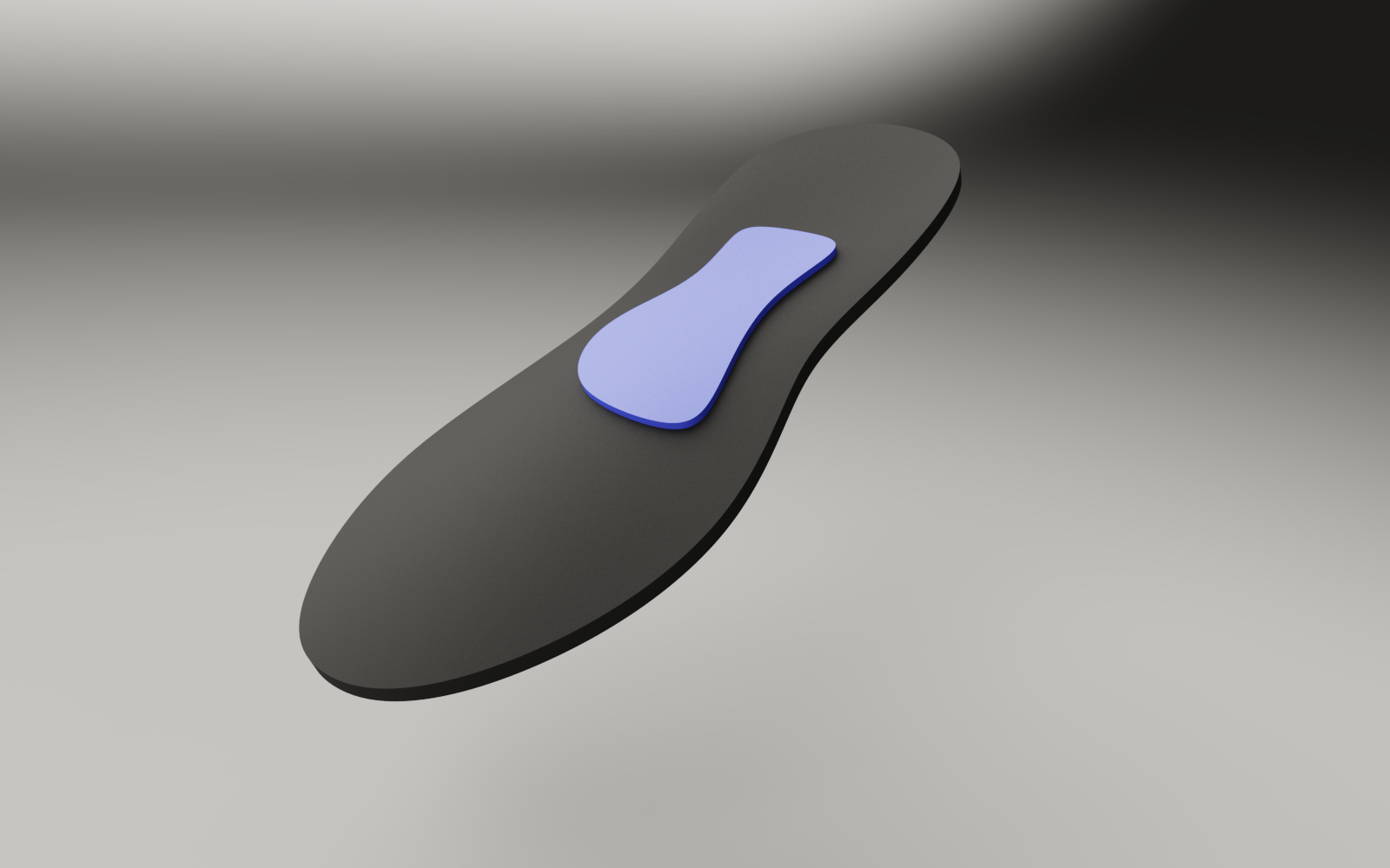
A raised band supports the fascia along its length and lifts it off heel strike.
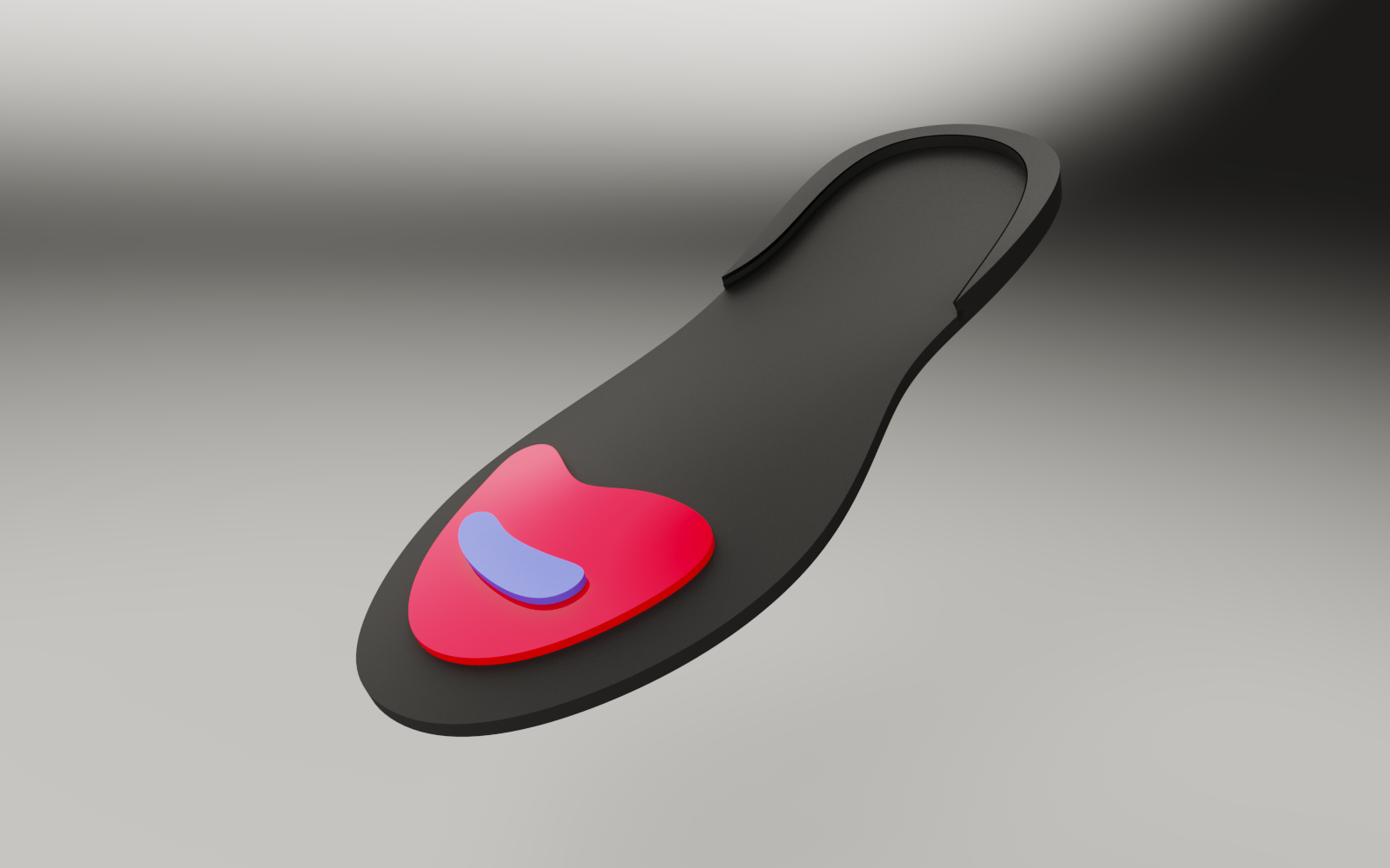
The deepest, softest pad, spread so no single point can ulcerate.
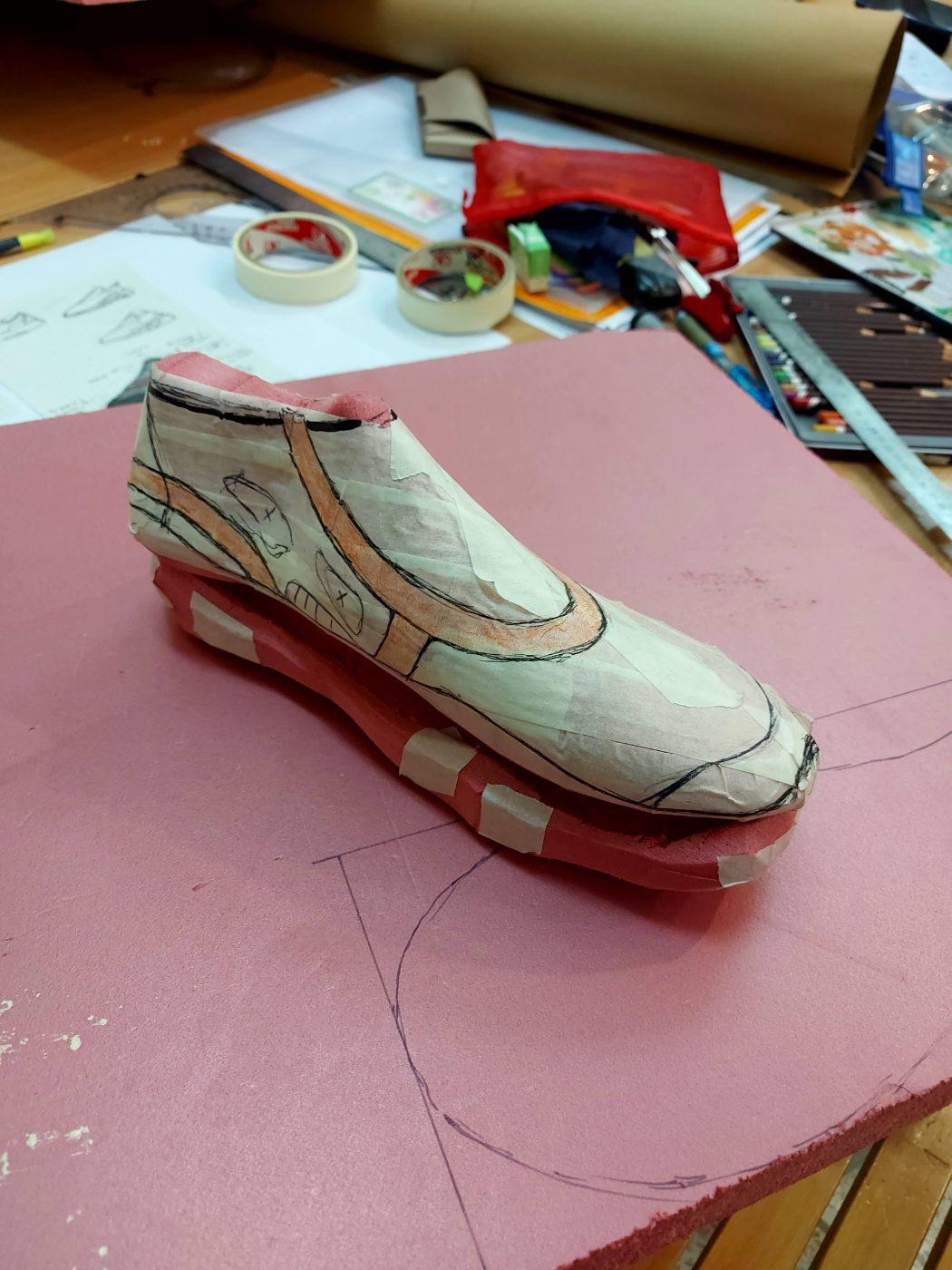
I laser-cut the last from Jumbolon, sanded it to the foot form, and patterned the upper straight onto it. Insoles came out of EVA sheet, silicone poured at the pressure points.
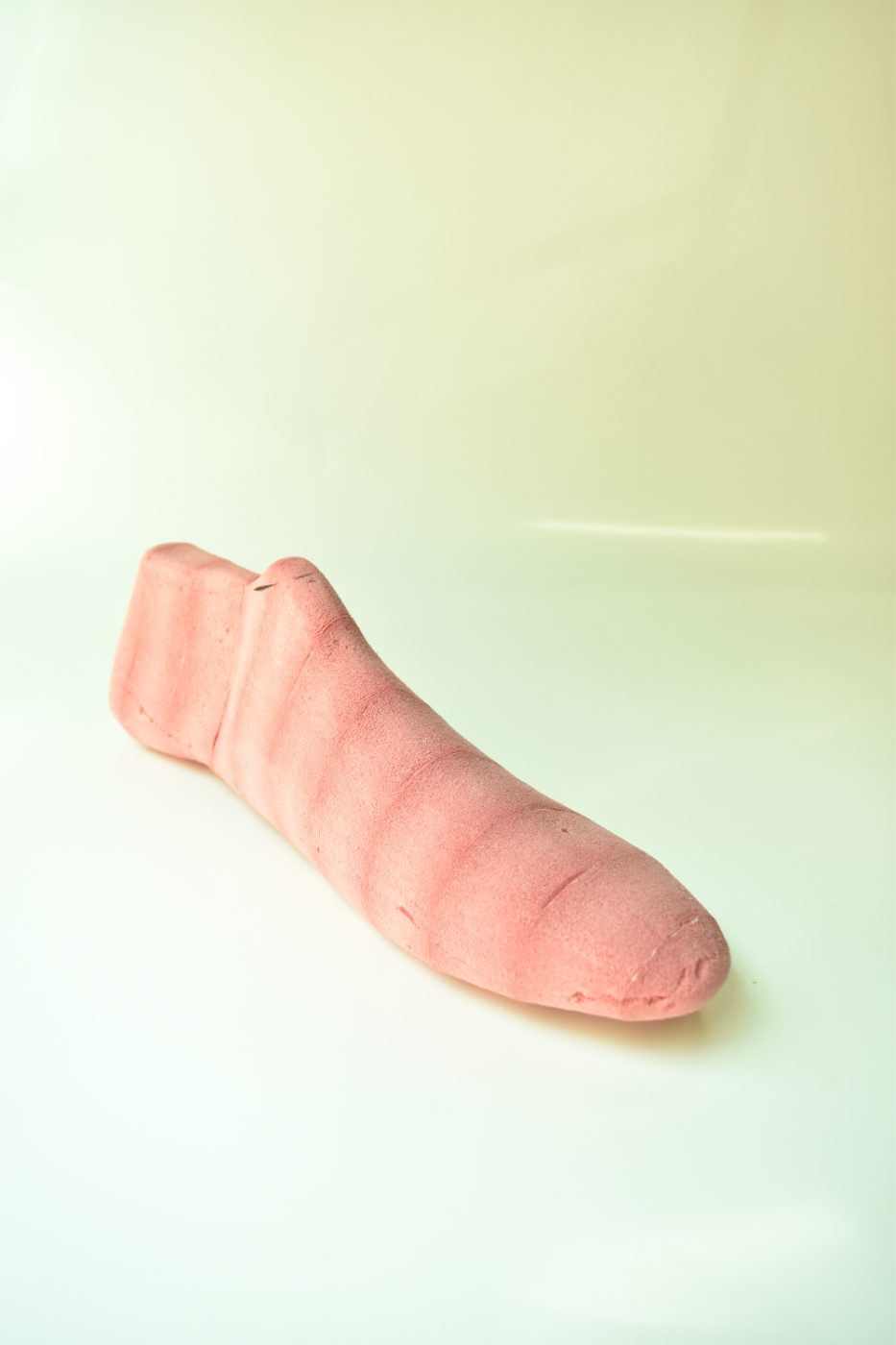
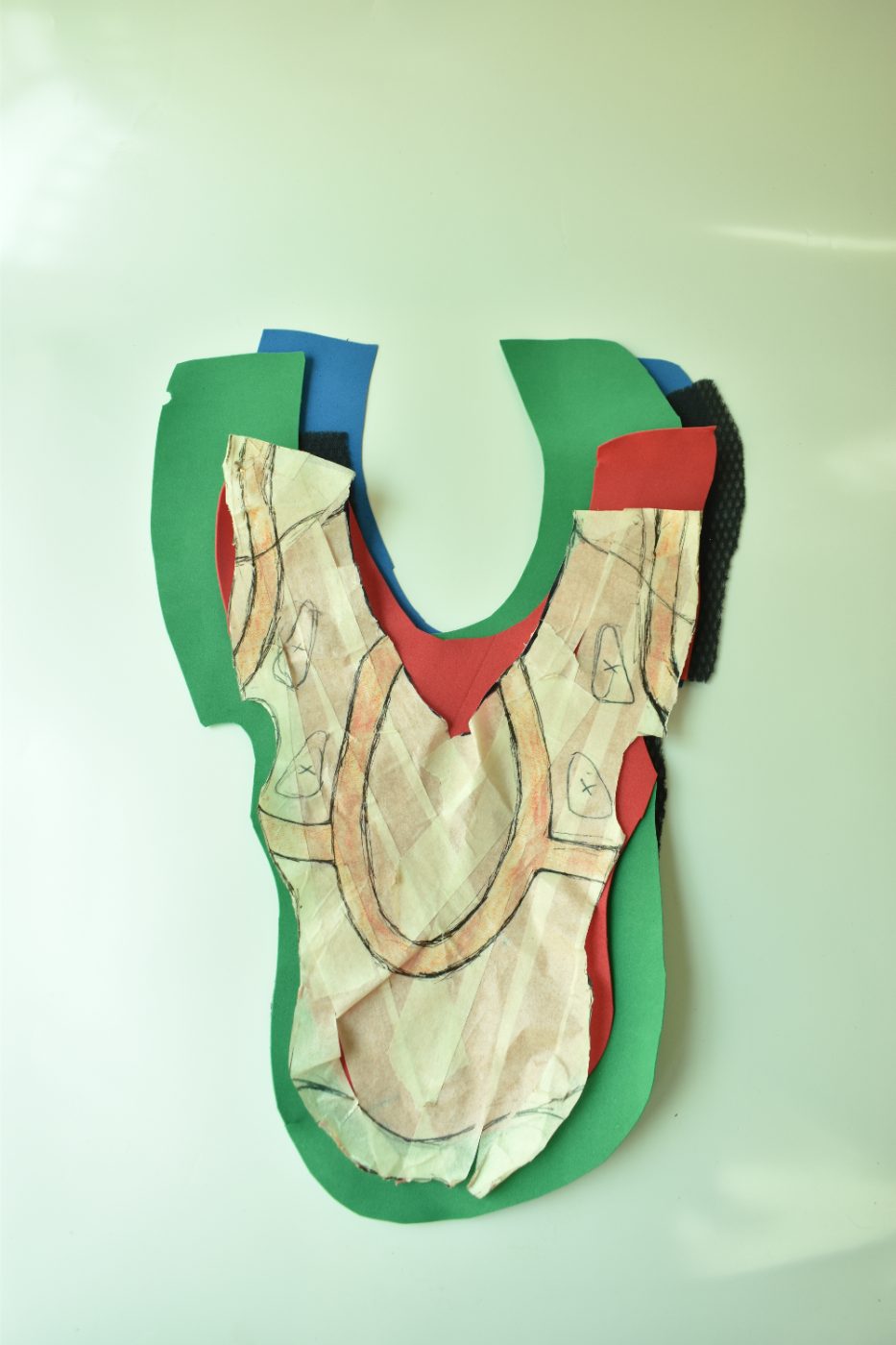
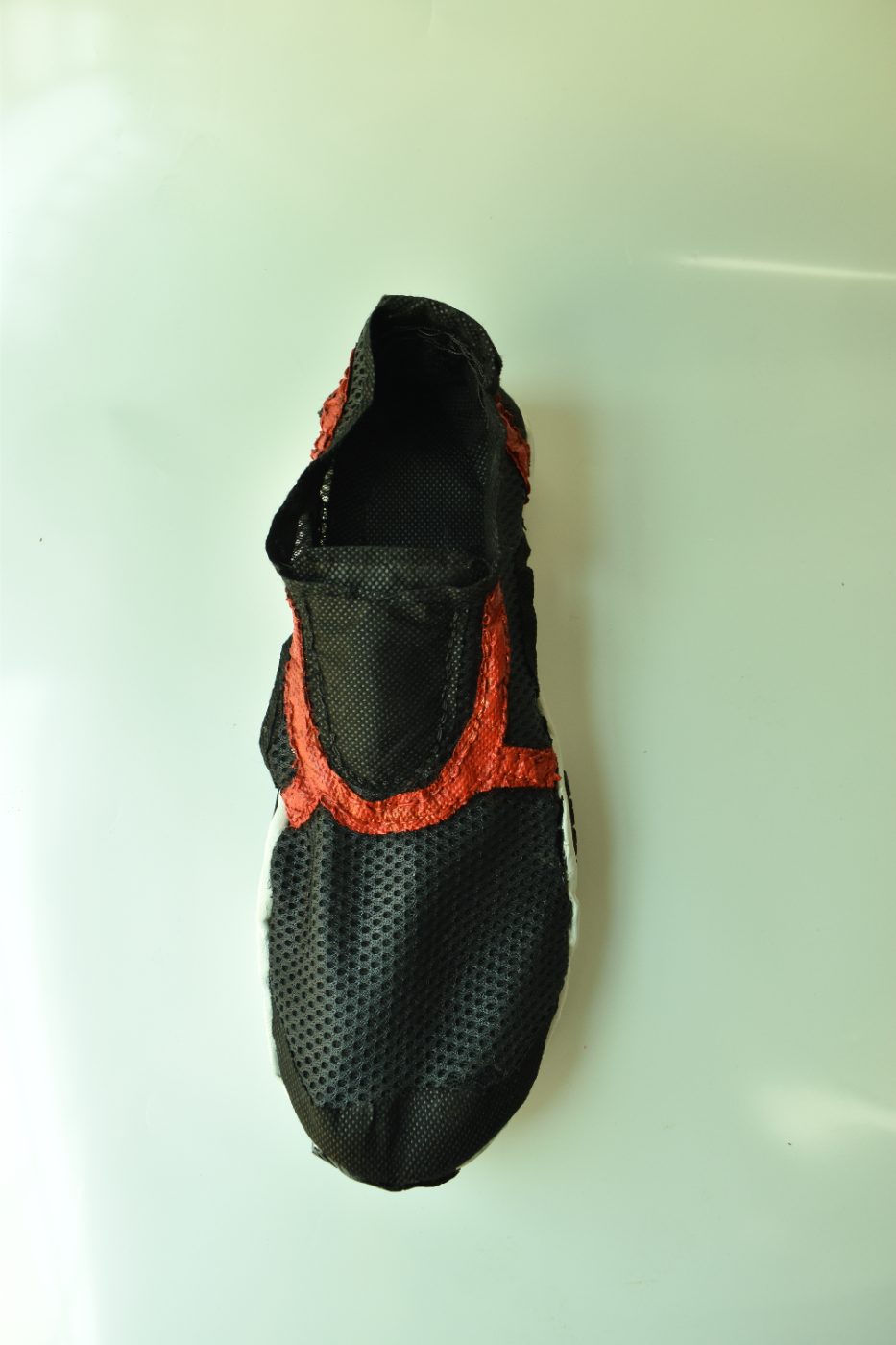
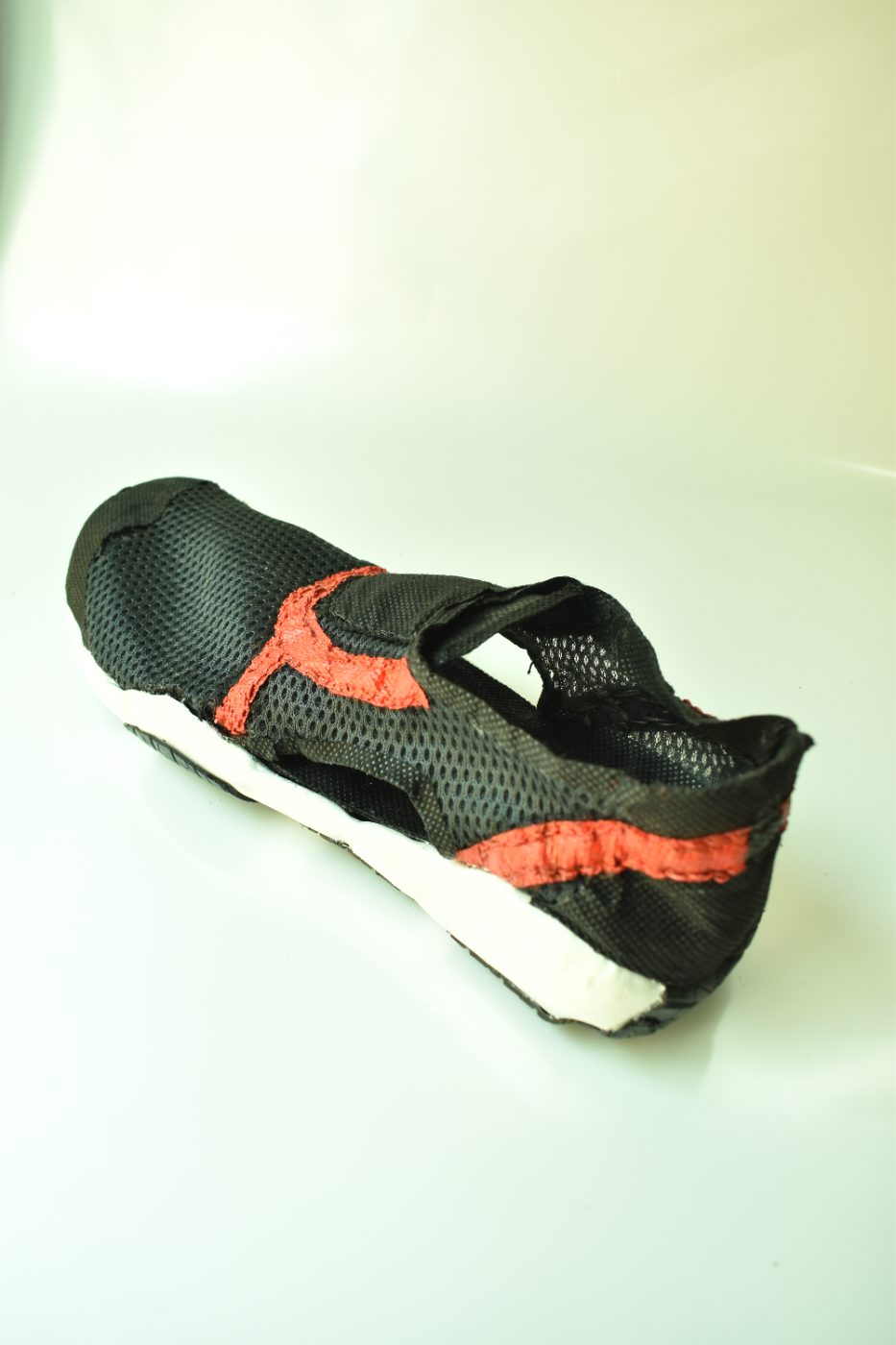
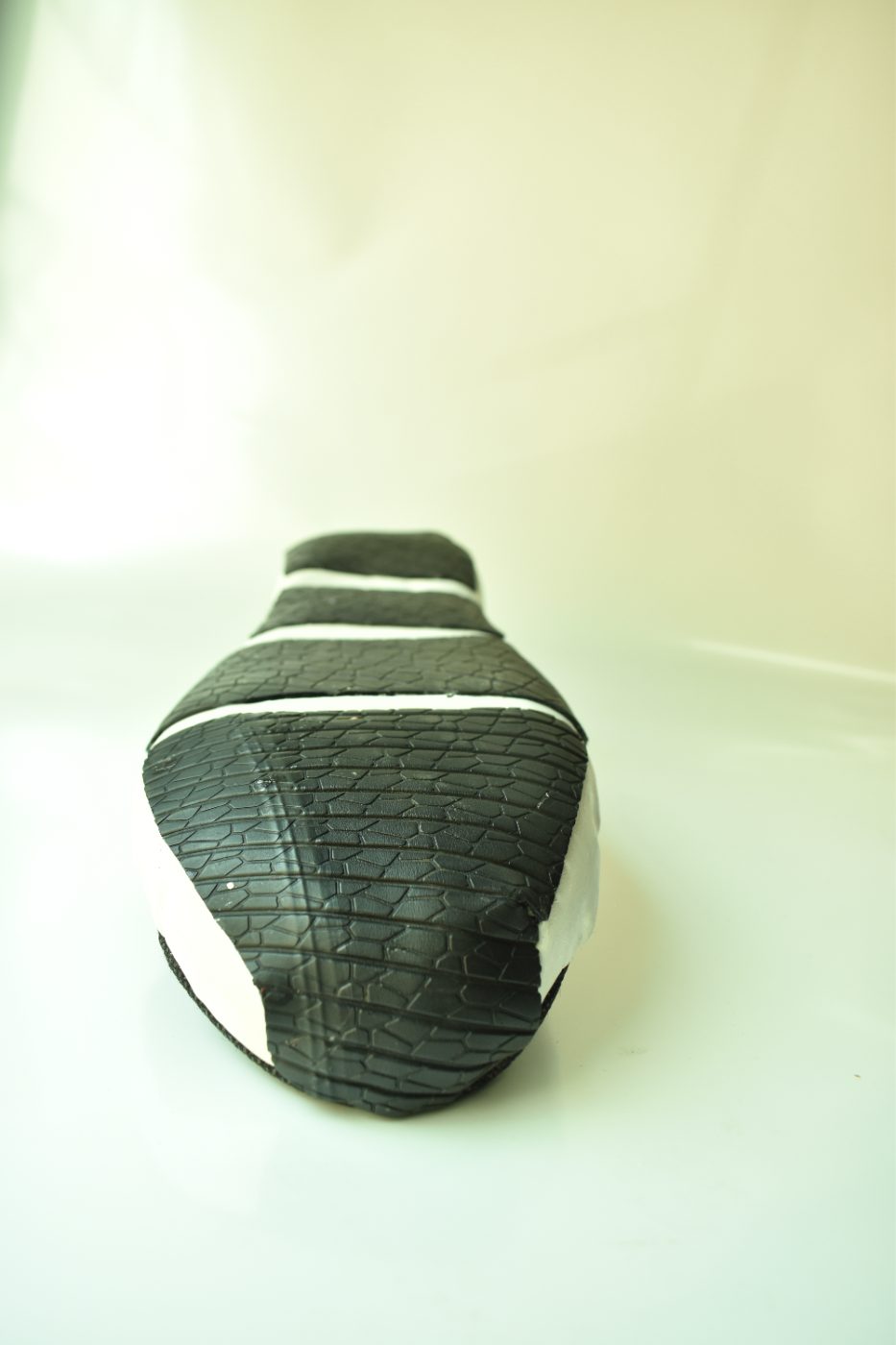
Seven weeks ended in a wearable full-scale prototype, 75% production materials, all six insoles fitted. It reads as a sneaker. Only the wearer knows which insole is in it.
Next: abrasion-test the outsole and get the insoles onto people who live with these conditions. Pressure maps gave me a geometry I can defend; only a fit trial proves relief.